Technology has become an important part of modern education. In the past, students mainly depended on textbooks, notebooks, blackboards, and classroom lectures to learn new things. Today, technology has changed the way students study, teachers teach, and schools manage education. From online classes and educational apps to smart classrooms and digital learning platforms, technology has made education more flexible, accessible, and interactive.
The use of technology in education is growing every year because it provides students with many new ways to understand difficult topics. Teachers can also use digital tools to make their lessons more interesting and effective. Although traditional education is still important, modern technology has created new opportunities for both students and teachers.
Easy Access to Educational Information
One of the biggest benefits of technology in modern education is easy access to information. Students no longer have to depend only on school libraries or printed books. They can search for educational information online within seconds.
Websites, digital libraries, online courses, educational videos, and learning platforms provide students with a large amount of useful information. If a student does not understand a topic in class, they can search for another explanation online. This makes learning more convenient and gives students the opportunity to study beyond the classroom.
Technology also helps students find updated information. Books can take a long time to be published and updated, while online resources can be changed quickly. This is especially useful for subjects where information changes regularly.
Online Learning Has Become More Popular
Online learning is one of the most noticeable ways technology is changing modern education. Students can now attend classes from home using a computer, tablet, or smartphone. Online education is useful for students who cannot attend traditional classrooms because of distance, work, family responsibilities, or other reasons.
Online classes also give students more flexibility. Many learning platforms provide recorded lectures, allowing students to watch lessons at a suitable time. Students can pause videos, repeat difficult sections, and learn at their own speed.
This type of learning can also help students develop independent study habits. Instead of waiting for a teacher to explain everything, students can search for information and practice lessons on their own.
Smart Classrooms Improve Learning
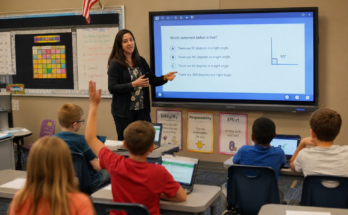
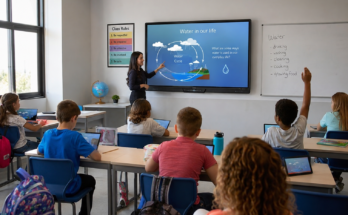
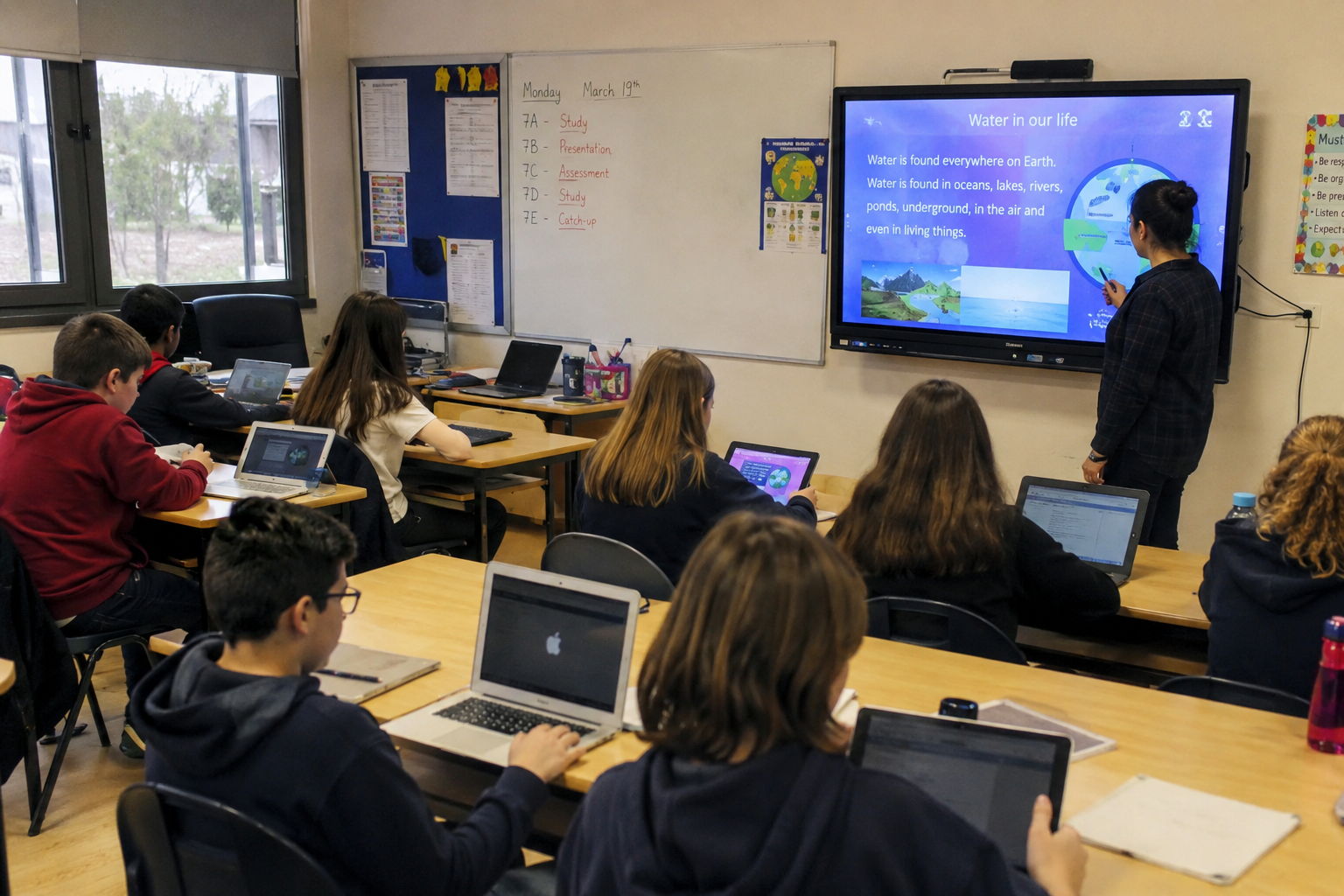
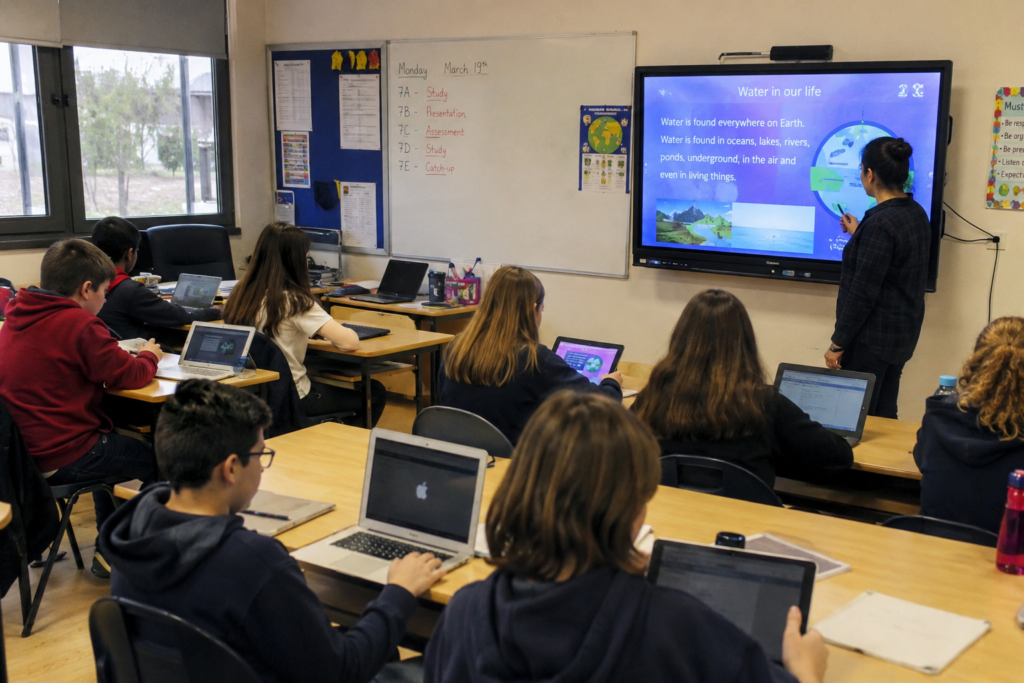
Technology has also changed traditional classrooms. Many schools and colleges now use smart boards, projectors, computers, tablets, and other digital tools. These technologies can make lessons more visual and interactive.
For example, a science teacher can show a video of a scientific experiment instead of only explaining it through words. A geography teacher can use digital maps to show different countries and locations. A history teacher can show photographs, documentaries, and virtual tours related to historical events.
Visual learning can make difficult subjects easier to understand. When students can see an idea instead of only reading about it, they may remember the information more effectively.
Educational Apps Make Studying More Interesting
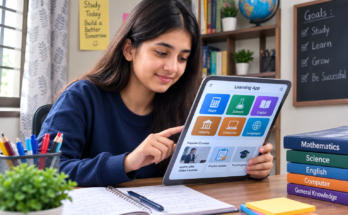
Educational apps have become another important part of modern education. There are apps for learning languages, mathematics, science, writing, coding, and many other subjects.
Many educational apps use quizzes, challenges, exercises, and interactive activities to keep students interested. Instead of studying from a textbook for hours, students can practice a topic through short activities on their phones or tablets.
Some apps also provide instant feedback. When students answer a question incorrectly, they can immediately see the correct answer and learn from their mistake. This makes the learning process faster and more convenient.
Technology Supports Personalized Learning
Every student learns differently. Some students understand a topic quickly, while others need more time and practice. Technology can help provide personalized learning experiences.
Digital learning platforms can allow students to choose lessons according to their skill level. A student who is struggling with basic mathematics can practice simple questions before moving to advanced topics. Another student who understands the basics can move forward without waiting for the entire class.
Personalized learning can help students focus on their individual needs. It can also give teachers useful information about student performance and help them understand which areas require more attention.
Artificial Intelligence in Education
Artificial intelligence is becoming an important part of modern education. AI based educational tools can help students understand concepts, practice questions, improve writing skills, and receive learning support.
Teachers can also use artificial intelligence to create educational materials, organize information, and analyze student performance. AI can help identify areas where students may need additional support.
However, students should use artificial intelligence as a learning tool rather than depending on it for every task. Education is not only about finding answers. It is also about developing thinking, creativity, communication, and problem solving skills.
Better Communication Between Teachers and Students
Technology has made communication between teachers, students, and parents easier. Teachers can share assignments, announcements, study materials, and feedback through digital platforms.
Students can ask questions through online communication tools when they need help. Parents can also receive updates about school activities and academic performance.
This improved communication can create a stronger connection between schools and families. It also makes it easier to share important information quickly.
Digital Resources Reduce Dependence on Paper
Modern education technology can also reduce the use of paper. Students can read digital books, submit assignments online, take digital tests, and store notes electronically.
Digital resources are convenient because students can carry hundreds of books and documents on one device. They can also search their notes quickly instead of looking through many pages.
Reducing paper use can also support environmentally friendly education. Schools can save resources by using digital documents and online communication instead of printing everything.
Technology Helps Students Develop Modern Skills
Education is not only about passing exams. Students also need skills that can help them in higher education and future careers. Technology gives students opportunities to develop digital skills that are increasingly important in modern workplaces.
Students can learn how to use productivity software, presentation tools, online research platforms, coding applications, communication tools, and other digital resources.
Technology can also encourage creativity. Students can create presentations, videos, websites, digital artwork, and other projects. These activities allow them to express their ideas in different ways.
Virtual Reality and Interactive Learning
Virtual reality is another technology that has the potential to change education. With virtual reality tools, students can experience places and situations that may not be possible to visit physically.
For example, students can explore historical locations, visit virtual museums, study the human body, or experience scientific environments through digital simulations.
Interactive learning can make education more engaging because students become active participants instead of simply listening to a lecture. As these technologies become more affordable, they may become more common in schools and universities.
Technology Makes Education More Accessible
Technology has opened educational opportunities for many people around the world. Students living in remote areas can access online courses and educational materials if they have a suitable internet connection.
Students with different learning needs can also benefit from accessibility features. Text to speech tools, subtitles, screen readers, adjustable text sizes, and other digital features can make learning easier for some students.
This shows that technology can help make education more inclusive when it is designed and used properly.
Challenges of Technology in Education
Although technology offers many benefits, it also creates challenges. Not every student has equal access to computers, smartphones, or reliable internet. This digital divide can create differences between students.
Another challenge is distraction. Smartphones and social media can make it difficult for students to stay focused during study time. Students may also become too dependent on digital tools and stop developing important independent thinking skills.
Privacy and online safety are also important concerns. Schools and students need to understand how to protect personal information and use educational platforms responsibly.
Teachers therefore need to guide students in using technology correctly. The goal should not be to replace teachers or traditional learning completely. Instead, technology should support teachers and improve the overall learning experience.
The Future of Modern Education
The future of education will likely include even more technology. Artificial intelligence, virtual reality, online learning platforms, digital classrooms, and personalized learning tools may become more common.
However, teachers will continue to play an important role. Technology can provide information and tools, but teachers provide guidance, encouragement, communication, and human understanding.
The best education system will probably combine traditional teaching methods with modern technology. Students can benefit from classroom discussions, practical activities, books, and face to face communication while also using digital tools for additional learning.
Conclusion
Technology is changing modern education in many positive ways. It has made information easier to access, increased online learning opportunities, improved communication, supported personalized learning, and introduced new ways to make lessons interactive.
Educational apps, smart classrooms, artificial intelligence, digital resources, and virtual learning environments are giving students more choices than ever before. At the same time, schools need to address challenges such as digital inequality, distractions, privacy, and excessive dependence on technology.
Technology should not replace good teaching. Instead, it should work alongside teachers and traditional learning methods. When used responsibly, technology can make education more flexible, engaging, accessible, and effective. As technology continues to develop, its role in education will become even more important, helping students prepare for a changing world and a future filled with new opportunities.