Artificial Intelligence is becoming an important part of modern education. From online learning platforms to smart educational applications, AI is changing the way students learn and teachers teach. In the past, education mostly depended on textbooks, classroom lectures, and traditional teaching methods. Today, technology has made learning more flexible, personalized, and accessible.
The role of Artificial Intelligence in education is not only about using computers or software in classrooms. It is about creating better learning experiences, helping teachers save time, understanding student needs, and providing useful educational resources. As AI technology continues to develop, its influence on education is expected to become even greater.
What Is Artificial Intelligence in Education?
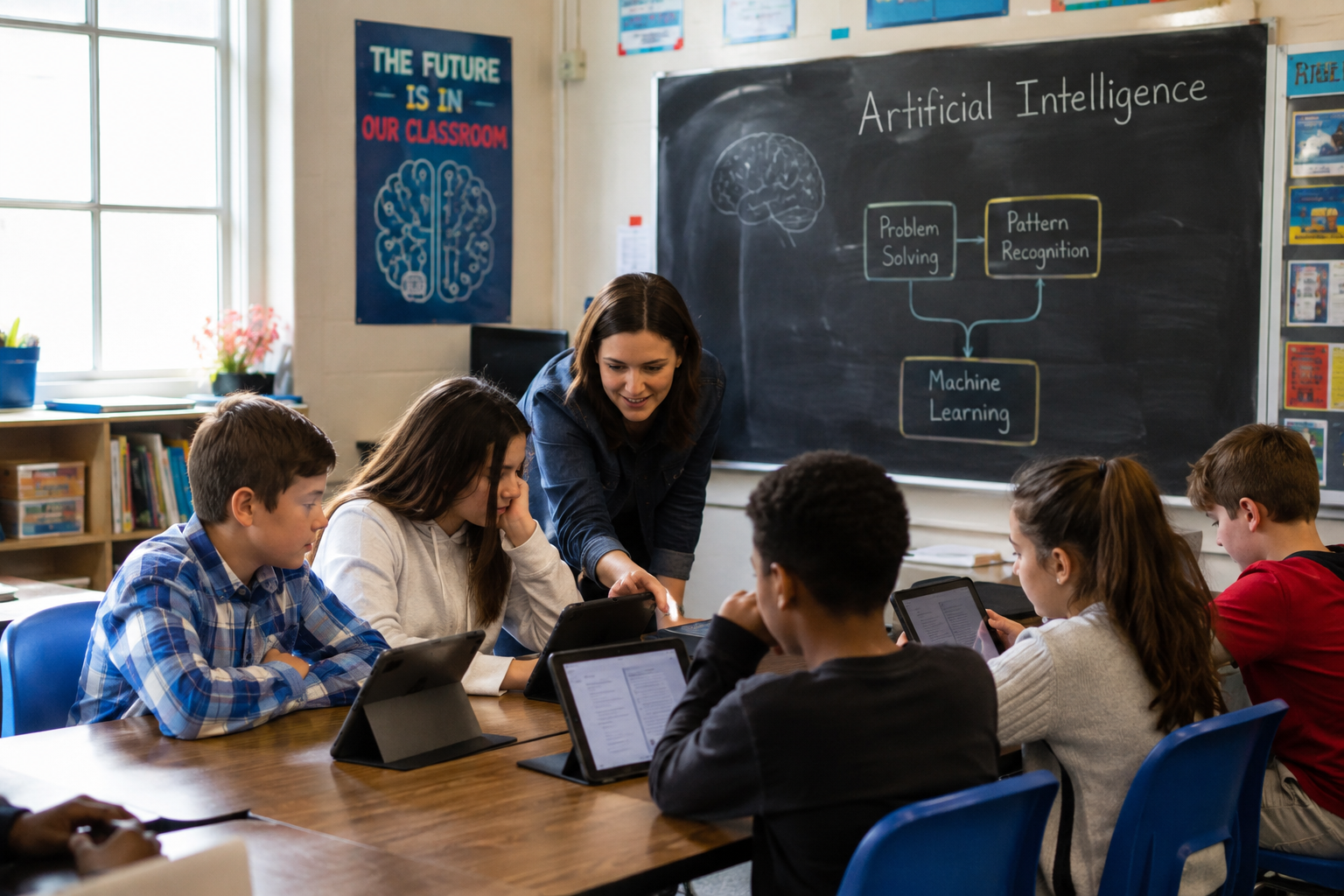
Artificial Intelligence in education means using intelligent computer systems to support teaching and learning. These systems can analyze information, recognize patterns, answer questions, recommend learning materials, and provide feedback.
AI educational tools can understand how students interact with lessons and identify areas where they may need additional support. For example, if a student repeatedly makes mistakes in mathematics, an AI based learning platform can recommend additional exercises and explanations related to that topic.
This makes Artificial Intelligence in education different from ordinary digital learning tools. AI systems can respond to information and adapt their support according to the needs of individual learners.
Personalized Learning for Students
One of the biggest benefits of AI in education is personalized learning. Every student learns differently. Some students understand a topic quickly, while others need more examples, practice, and explanation.
Artificial Intelligence can help create learning experiences based on individual student needs. AI powered platforms can analyze a student’s performance and suggest lessons, exercises, or learning materials that match their current level.
For example, a student who is struggling with English grammar can receive additional grammar exercises, while another student who already understands the topic can move to more advanced lessons. This approach can make learning more effective because students are not forced to follow exactly the same learning path.
AI Helps Teachers Save Time
Teachers have many responsibilities beyond classroom teaching. They may need to prepare lessons, check assignments, organize educational materials, answer questions, and evaluate student performance.
Artificial Intelligence can help reduce some of these repetitive tasks. AI tools can assist with grading certain types of assignments, creating practice questions, organizing information, and preparing basic educational resources.
This does not mean that AI should replace teachers. Instead, AI can give teachers more time to focus on important human responsibilities such as communication, encouragement, creativity, classroom management, and personal guidance.
AI Powered Virtual Assistants
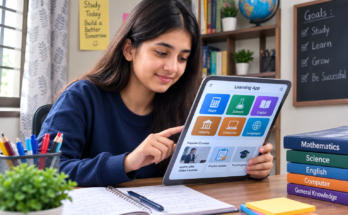
AI powered virtual assistants are another example of how Artificial Intelligence is changing education. Students can use these systems to ask questions, understand difficult concepts, and find explanations.
A virtual assistant can provide support at different times of the day, which can be useful for students who study outside normal classroom hours. Instead of waiting until the next class to ask a simple question, students may receive immediate assistance.
However, students should learn to use AI as a learning support tool rather than depending on it for every answer. Developing independent thinking and problem solving skills remains extremely important.
Improving Online Education
Online education has grown significantly because of digital technology, and Artificial Intelligence can make online learning even better. AI can help online platforms understand student behavior and provide personalized recommendations.
For example, an online learning system can identify when a student is having difficulty completing lessons. It may recommend easier material, additional practice, or a review of previous topics.
AI can also support automated feedback. Students can receive information about their mistakes and suggestions for improvement. This can make online learning more interactive and useful.
Supporting Students With Different Learning Needs
Artificial Intelligence can also help make education more accessible. Students may have different learning abilities, languages, and educational requirements.
AI tools can provide features such as speech recognition, text conversion, language support, and personalized learning assistance. These technologies can help students access educational content in ways that are more suitable for them.
For example, speech based tools can help students interact with digital learning systems without relying entirely on typing. Language technologies can also help learners understand educational content in different languages.
AI and Student Performance
Another important role of Artificial Intelligence in education is analyzing student performance. Schools and educational platforms can collect large amounts of information about student activities, test results, attendance, and learning progress.
AI can analyze this information and identify patterns. Teachers may use these insights to understand which students need additional help.
For example, if a student performs well in most subjects but consistently struggles with one topic, the teacher can provide targeted support. Early identification of learning difficulties can help prevent students from falling further behind.
Better Educational Content
Artificial Intelligence can also help create educational content. Teachers and educational organizations can use AI tools to generate practice questions, lesson ideas, summaries, and learning activities.
This can reduce preparation time and give educators more ideas for teaching different topics. However, AI generated content should always be reviewed by teachers because AI systems can sometimes provide incorrect, incomplete, or unsuitable information.
Human judgment remains necessary to make sure educational content is accurate, relevant, and appropriate for students.
Challenges of Artificial Intelligence in Education
Although AI provides many benefits, there are also challenges that schools and teachers need to consider. One major concern is accuracy. Artificial Intelligence does not always provide correct information, so students should learn how to check important information using reliable sources.
Another concern is academic honesty. Students may use AI tools to complete assignments without understanding the subject. This can reduce genuine learning and make it difficult for teachers to evaluate student knowledge.
Privacy is another important issue. Educational AI systems may process student information, so schools need to use technology responsibly and protect personal data.
There is also the risk of unequal access. Not every student has the same access to computers, smartphones, or reliable internet connections. If AI becomes an important part of education, schools should work to make these technologies available to as many students as possible.
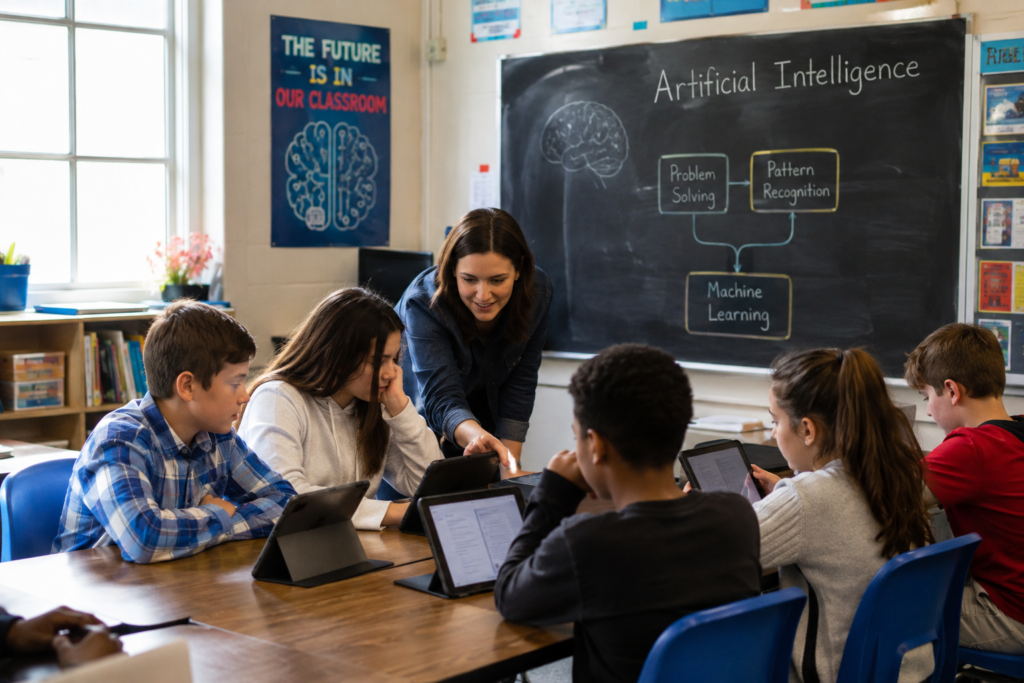
The Importance of Teachers in an AI Based Education System
Even with advanced Artificial Intelligence, teachers will continue to play an important role in education. Technology can provide information and automated assistance, but it cannot fully replace the human connection between teachers and students.
Teachers understand emotions, motivation, classroom relationships, and individual circumstances in ways that technology may not. A good teacher can encourage a student who has lost confidence, understand when a learner needs emotional support, and create a positive classroom environment.
The best approach is therefore not to choose between teachers and AI. Instead, schools can combine the strengths of both. AI can handle certain repetitive and analytical tasks while teachers focus on communication, creativity, critical thinking, and personal development.
Preparing Students for the Future
Artificial Intelligence is becoming part of many industries, so students need to understand how this technology works and how to use it responsibly. Education should not only teach students how to use AI tools but also help them develop skills that remain valuable in an AI driven world.
Critical thinking, creativity, communication, collaboration, problem solving, and digital literacy will become increasingly important. Students should learn how to question AI generated information, recognize limitations, protect their privacy, and use technology ethically.
Understanding Artificial Intelligence can also help students prepare for future careers. Many jobs are changing because of automation and intelligent technologies, and students who understand these developments may have more opportunities in the future.
The Future of Artificial Intelligence in Education
The future of AI in education is likely to bring even more personalized and interactive learning experiences. AI systems may become better at understanding individual learning styles and providing useful educational support.
Students could receive personalized learning plans that change as their knowledge develops. Teachers may have better tools for identifying learning difficulties and measuring progress. Online classrooms could become more interactive, while educational resources could become easier to access.
At the same time, responsible use of Artificial Intelligence will remain essential. Schools, teachers, parents, and students will need to understand both the benefits and limitations of AI.
Conclusion
The role of Artificial Intelligence in education is growing rapidly and creating new opportunities for students and teachers. AI can support personalized learning, improve online education, provide quick assistance, analyze student performance, and reduce repetitive work for teachers.
However, Artificial Intelligence should be used as a supportive educational tool rather than a complete replacement for teachers. Human guidance, creativity, emotional understanding, and critical thinking remain essential parts of successful education.
When used responsibly, AI can help create a more flexible, personalized, and accessible learning environment. The future of education will likely combine human teaching with intelligent technology, giving students better tools to learn and prepare for a changing world.