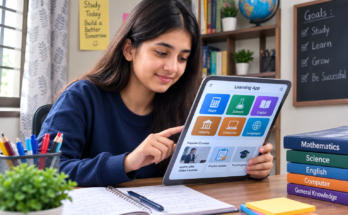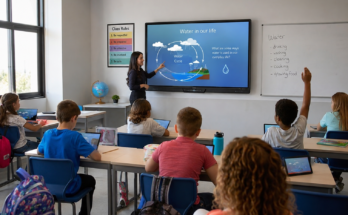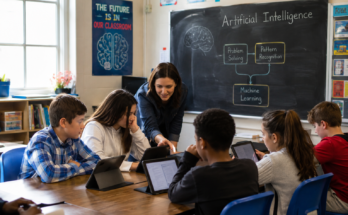
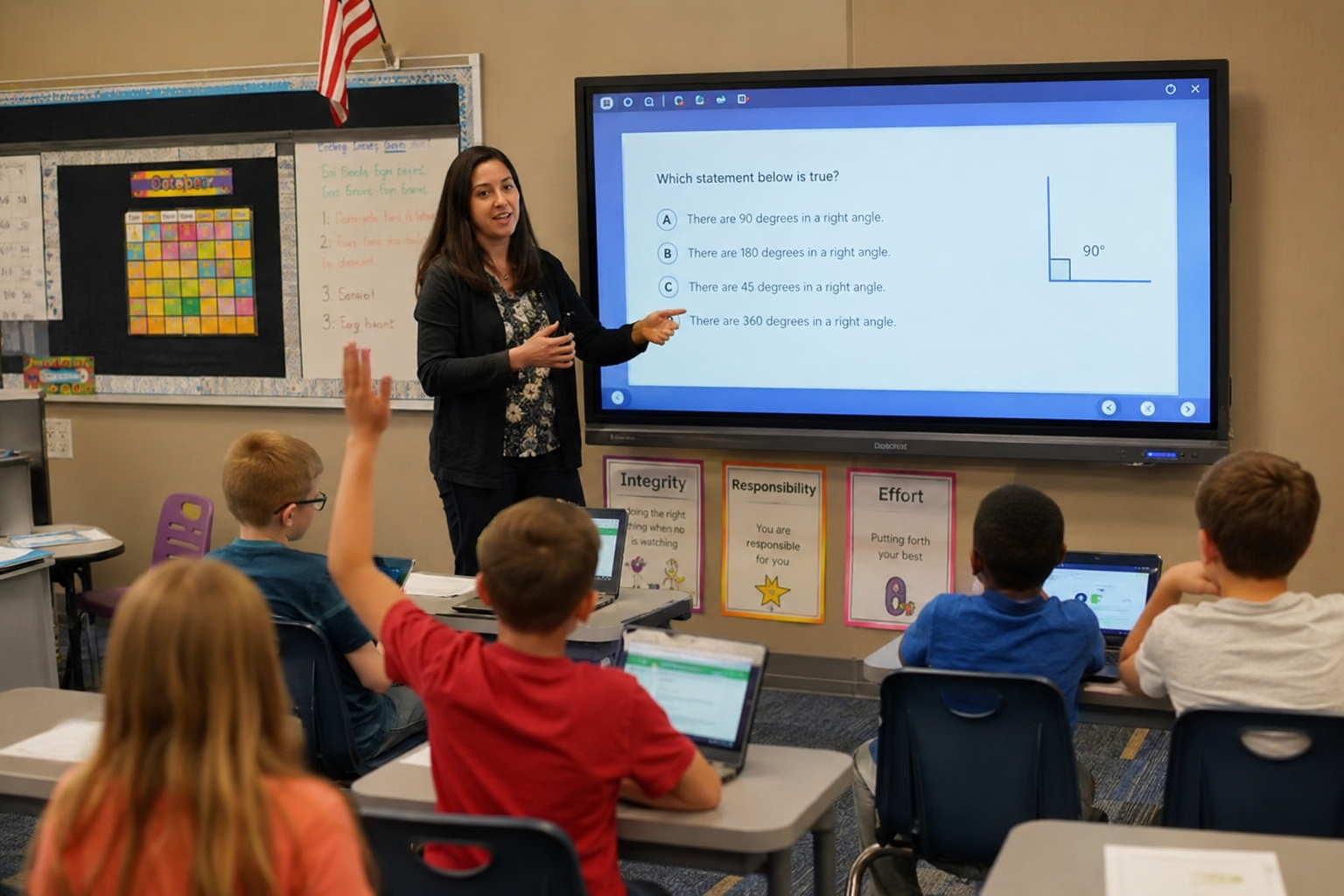
Technology has become an important part of modern education. Today, teachers use many digital tools in the classroom to make lessons more interesting, organized, and easier to understand. From interactive presentations and educational videos to online quizzes and learning platforms, technology gives teachers many useful ways to support students. Digital tools for teachers are not only helpful for presenting information but also make communication, assessment, classroom management, and lesson planning easier.
The use of digital tools in education is growing because students are already familiar with technology in their daily lives. When teachers use technology in the right way, it can create a more active and engaging learning environment. It can also help teachers understand the needs of individual students and provide better learning opportunities.
Making Lessons More Interesting
One of the biggest benefits of digital tools in the classroom is that they can make lessons more interesting. Traditional teaching methods often depend on textbooks, notebooks, and lectures. These methods are still useful, but digital resources can add more variety to the learning experience.
Teachers can use videos, animations, images, presentations, and interactive activities to explain difficult topics. For example, a science teacher can show an animation of the solar system instead of only explaining it from a textbook. A history teacher can use photographs, maps, and documentary videos to help students understand historical events.
When students can see and interact with information, they may find the lesson easier to remember. Digital tools can turn a simple lesson into an experience that encourages students to pay attention and participate.
Helping Teachers Save Time
Teachers have many responsibilities besides teaching. They need to prepare lessons, check assignments, record grades, communicate with parents, and manage classroom activities. Digital tools can help reduce the time needed for many of these tasks.
Online platforms can allow teachers to create assignments and share them with students quickly. Some educational applications can automatically check multiple choice quizzes and provide instant results. Digital gradebooks can also help teachers organize student marks without keeping everything in paper records.
By saving time on routine tasks, teachers can focus more on teaching and supporting their students. This makes digital tools valuable for both classroom instruction and everyday educational work.
Improving Classroom Communication
Good communication between teachers and students is important for successful learning. Digital tools can make this communication faster and more convenient.
Teachers can use learning management systems, classroom applications, email, and messaging platforms to share announcements, homework, notes, and other important information. Students can ask questions or submit assignments through online platforms when appropriate.
Digital communication can also help teachers keep parents informed about academic progress and classroom activities. When communication is clear and organized, students and parents can better understand what is expected from them.
Supporting Different Learning Styles
Every student learns differently. Some students understand information better by reading, while others learn more effectively through listening, watching, or doing practical activities. Digital tools allow teachers to use different types of content in one lesson.
For example, a teacher can provide written notes for students who prefer reading, an educational video for visual learners, and an interactive activity for students who learn by doing. This flexibility can help more students understand the same topic.
Digital resources can also help teachers provide additional practice to students who need more support. Students who understand a topic quickly can explore additional resources and challenging activities.
Making Assessment Easier
Assessment is an important part of teaching because it helps teachers understand how well students are learning. Digital tools can make assessment faster and more effective.
Teachers can create online quizzes, polls, surveys, and interactive tests. Many platforms provide results immediately, allowing teachers to identify areas where students are struggling. Instead of waiting until the end of a term to discover learning problems, teachers can use regular digital assessments to check student understanding.
For example, if most students receive low scores on a particular question, the teacher may realize that the topic needs to be explained again. This allows teaching to become more responsive to student needs.
Providing Instant Feedback
Feedback helps students understand their mistakes and improve their performance. Digital tools can make feedback faster than traditional methods.
Online quizzes can show correct answers immediately. Teachers can also add comments to digital assignments and provide suggestions for improvement. Some educational platforms allow students to see their progress over time.
Quick feedback can motivate students because they do not have to wait for a long period to know how they performed. It also gives teachers an opportunity to address problems before they become bigger learning gaps.
Helping With Lesson Planning
Lesson planning can take a lot of time, especially when teachers want to create activities that match different student needs. Digital tools can make the process easier by providing access to educational resources and planning applications.
Teachers can organize lesson materials, create presentations, prepare quizzes, and store useful resources digitally. They can also reuse and update their materials when teaching the same topic in the future.
Digital lesson planning helps teachers stay organized. Instead of searching through large amounts of paper, they can find their resources quickly on a computer or other device.
Encouraging Student Participation
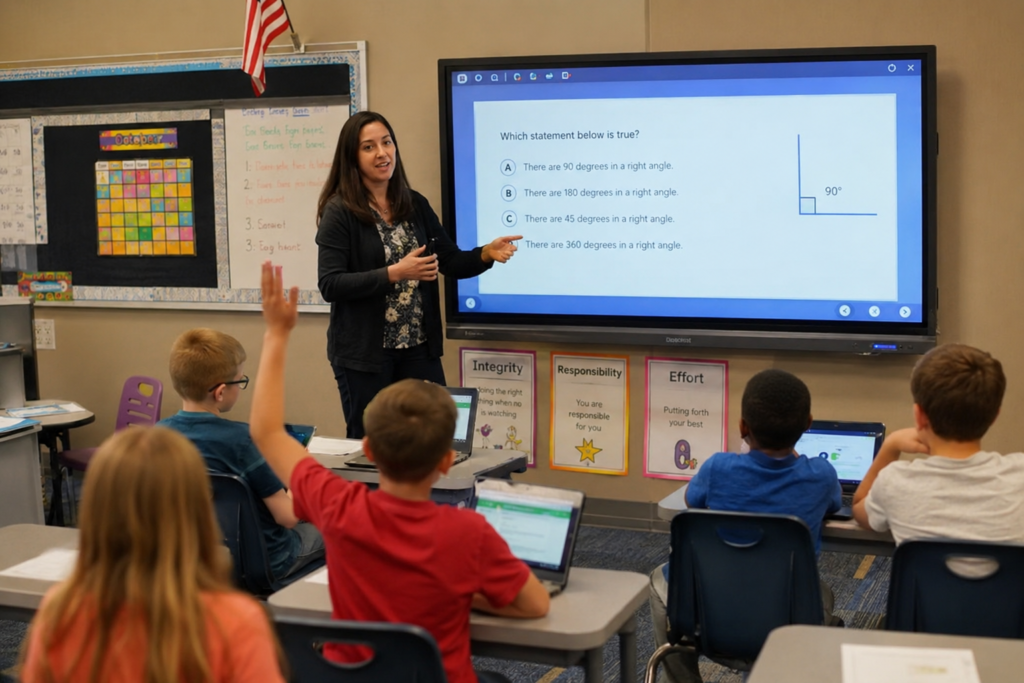
Digital tools can encourage students to become more active participants in the classroom. Interactive activities can give students opportunities to answer questions, solve problems, create projects, and work together.
For example, teachers can use online quizzes during a lesson and ask students to respond using their devices. Students can also work together on digital presentations or shared documents.
This type of participation can make students feel more involved in the learning process. Instead of simply listening to a teacher, they become active learners who interact with information and their classmates.
Supporting Online and Blended Learning
Digital tools are especially useful for online and blended learning. In a blended classroom, students may learn through a combination of face to face teaching and online activities.
Teachers can upload notes, assignments, videos, and additional resources to an online learning platform. Students can access these materials outside the classroom and continue learning at home.
This flexibility can be useful when students miss a class or need additional time to understand a topic. Digital resources allow important learning materials to remain available beyond the classroom.
Helping Teachers Track Student Progress
Understanding student progress is another important benefit of digital tools. Educational platforms can collect information about assignments, quiz results, attendance, and other learning activities.
Teachers can use this information to identify students who may need additional help. They can also recognize students who are performing well and provide them with more challenging opportunities.
Student progress data can help teachers make better decisions. Instead of relying only on memory or general observations, teachers can use organized information to understand how students are progressing.
Making Collaboration Easier
Technology can also improve collaboration between students and teachers. Digital tools allow students to work together on projects even when they are not sitting next to each other.
Students can create presentations, share documents, discuss ideas, and complete group assignments using online platforms. Teachers can monitor these activities and provide guidance when needed.
Collaboration helps students develop communication, teamwork, creativity, and problem solving skills. These skills are important not only for school but also for future careers.
Supporting Creativity in the Classroom
Digital tools give students more opportunities to express their creativity. Teachers can ask students to create digital presentations, videos, posters, diagrams, podcasts, and other projects.
For example, instead of writing a traditional report, students might create a short educational video about a topic. This allows them to research information and present it in a creative way.
When teachers use technology for creative projects, students can develop both academic knowledge and practical digital skills.
Making Education More Accessible
Digital tools can also make education more accessible for students with different needs. Features such as text to speech, speech to text, captions, adjustable text sizes, and digital reading materials can help students access educational content.
Teachers can provide materials in different formats so that students can choose the option that works best for them. This can create a more inclusive classroom where more students have opportunities to participate.
Accessibility is an important part of modern education because every student deserves a fair opportunity to learn.
Challenges of Using Digital Tools
Although digital tools offer many benefits, teachers also need to use them carefully. Too much technology can sometimes distract students from learning. Technical problems, limited internet access, and a lack of digital skills can also create difficulties.
Teachers should choose technology based on educational goals rather than using a tool simply because it is new. A digital tool should make learning better, not make the lesson more complicated.
Teachers also need to teach students responsible technology use. Students should understand online safety, privacy, respectful communication, and the importance of checking information before accepting it as true.
The Future of Digital Tools in Education
Digital technology will continue to influence education in the future. New tools are making it possible for teachers to create more personalized and interactive learning experiences.
Artificial intelligence, virtual learning environments, digital assessment systems, and other educational technologies may provide teachers with even more ways to support students. However, technology will not replace the importance of good teachers. Teachers understand emotions, motivation, classroom relationships, and individual student needs in ways that technology cannot fully replace.
The best approach is to combine effective teaching methods with useful digital resources.
Conclusion
Digital tools help teachers in the classroom by making teaching more engaging, organized, flexible, and efficient. They can help teachers create interesting lessons, communicate with students, assess learning, provide feedback, track progress, and support different learning needs.
When used correctly, digital tools for teachers can improve the overall classroom experience and give students more opportunities to participate in their education. Technology should not replace teachers or traditional learning completely. Instead, it should support teachers and help them provide better learning experiences.
The future of education will likely include even more digital technology, but successful teaching will always depend on how effectively teachers use these tools. By choosing useful resources and keeping students at the center of learning, teachers can use digital technology to create a modern classroom that is engaging, supportive, and prepared for the future.