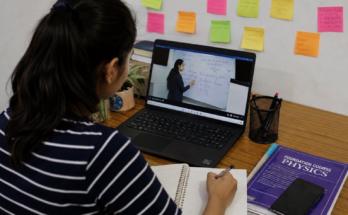
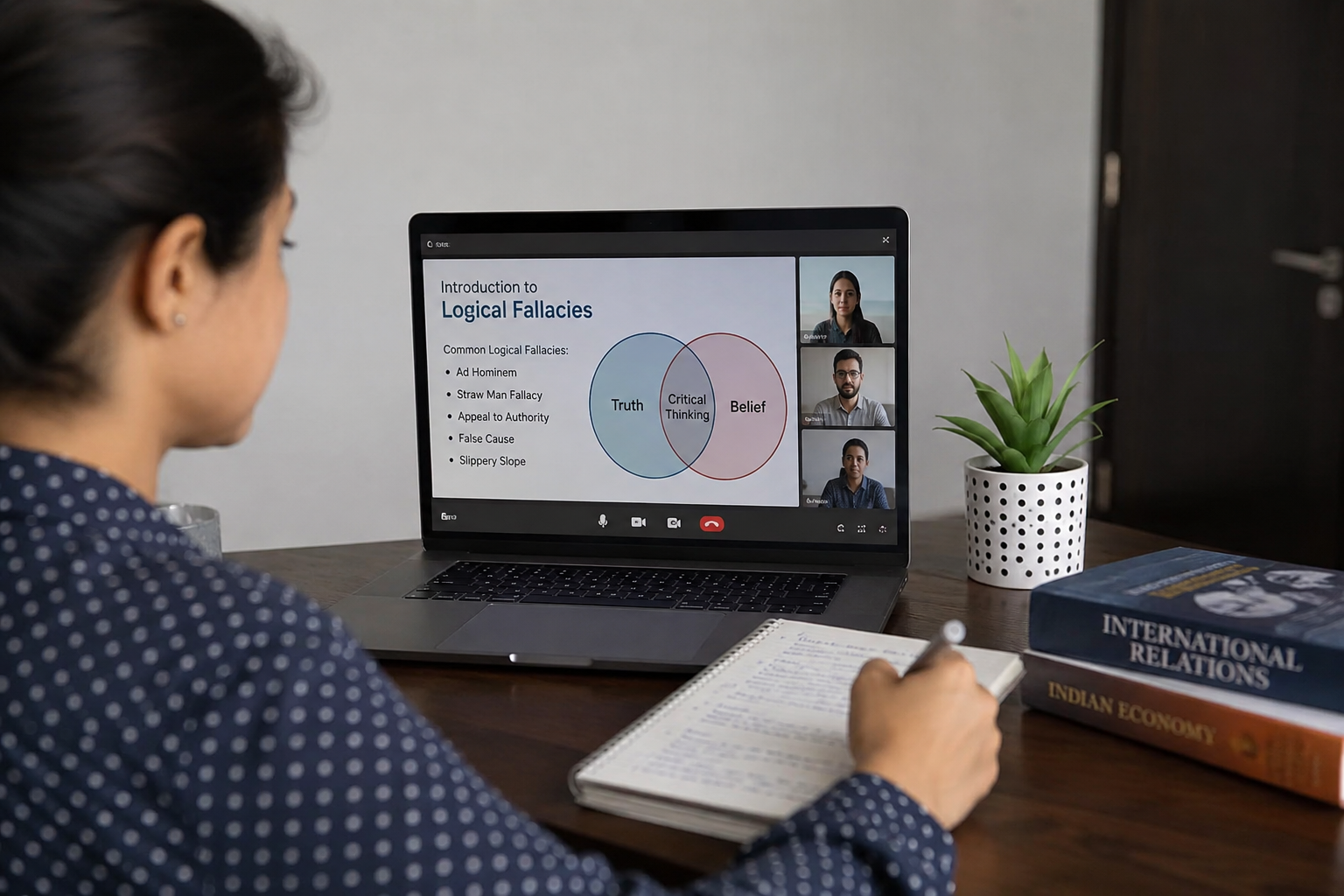
Technology has changed many parts of our daily lives, and education is one of the areas where its impact can be seen clearly. Online education has become more common because students can now learn from almost anywhere with an internet connection. In the past, learning often depended on attending a physical classroom, using printed books, and following a fixed schedule. Today, technology has made online education more flexible, interactive, and accessible for students of different ages and backgrounds.
The use of technology in online education is not only about watching video lessons or reading digital books. Modern educational technology provides students with many tools that can help them understand difficult topics, communicate with teachers, complete assignments, and improve their learning skills. As technology continues to develop, online education is becoming more useful and convenient for both students and teachers.
Easy Access to Educational Resources
One of the biggest ways technology is improving online education is by making educational resources easier to access. Students can find digital books, research papers, educational videos, practice exercises, and online courses without needing to visit a library or school.
A student can search for information about almost any subject within a few minutes. This makes learning more convenient and gives students the opportunity to explore topics beyond their regular lessons. Online libraries and educational websites also allow learners to access useful materials from home.
This easy access to information can be especially helpful for students who live far from educational institutions. They can use online resources to continue their studies without traveling long distances every day.
Flexible Learning Opportunities
Technology has made online education much more flexible. Students do not always need to attend classes at a particular place or time. Many online courses allow learners to watch recorded lessons when they are available.
This flexibility is useful for students who have jobs, family responsibilities, or other activities. They can create a study routine that fits their personal schedule. For example, a student may watch a lesson in the morning, complete an assignment in the afternoon, and review the material at night.
Flexible learning also allows students to study at their own pace. If a topic is difficult, they can watch the lesson again and spend more time understanding it. If they already understand a topic, they can move forward without waiting for the entire class.
Interactive Online Classes
Technology has also made online classes more interactive. In the early days of online learning, students often depended mainly on text based lessons. Today, teachers can use videos, presentations, quizzes, digital whiteboards, animations, and other tools to make lessons more interesting.
Interactive lessons can help students stay focused because they are not simply reading large amounts of information. They can participate in quizzes, answer questions, join discussions, and complete activities during a lesson.
Video conferencing tools also allow teachers and students to communicate in real time. Students can ask questions and receive answers during live classes. This creates a learning experience that feels more connected to a traditional classroom.
Better Communication Between Students and Teachers
Good communication is an important part of education. Technology has made it easier for students to communicate with teachers even when they are not in the same location.
Students can send messages, emails, questions, and assignments through online learning platforms. Teachers can provide feedback without requiring students to visit a physical classroom.
Discussion forums and group chats also give students opportunities to communicate with classmates. They can share ideas, discuss lessons, and help each other understand difficult concepts.
Better communication can make students feel more connected to their teachers and classmates. It can also help teachers understand the problems students are facing during their studies.
Personalized Learning Experience
Every student learns differently. Some students understand a topic quickly, while others need more practice and explanation. Technology can support personalized learning by allowing students to choose resources and learning methods that work best for them.
Many online learning platforms provide different types of educational content. Students may learn through videos, written explanations, quizzes, examples, and practice exercises.
Some educational systems can also use student performance data to recommend additional practice. If a student has difficulty with a particular topic, the system may provide related exercises or learning materials.
Personalized learning can help students focus on their weaknesses while continuing to develop their strengths. This can make online education more effective for different types of learners.
The Role of Artificial Intelligence in Online Education
Artificial intelligence is becoming an important part of modern education. AI based educational tools can help students find information, practice skills, and receive quick explanations.
For example, some learning platforms can analyze student answers and identify areas where more practice is needed. AI tools can also support teachers by helping them organize educational content and understand learning patterns.
However, technology should be used responsibly. Students should use AI as a learning support tool rather than depending on it to complete all of their work. The main purpose of education should remain understanding, critical thinking, creativity, and independent learning.
Improved Learning Through Videos
Educational videos have become a major part of online education. Some topics are easier to understand when students can see a process instead of only reading about it.
For example, science experiments, mathematical methods, computer skills, and technical subjects can be explained through demonstrations. Students can pause videos, replay difficult sections, and take notes while watching.
This makes video learning useful for students who need additional explanations. It also allows learners to return to lessons whenever they need revision.
Online Tests and Instant Feedback
Technology has changed the way students complete tests and receive feedback. Online quizzes can provide results almost immediately. Instead of waiting several days for a teacher to check every answer, students can often see their mistakes as soon as they finish a quiz.
Instant feedback can help students understand which areas require more attention. They can review incorrect answers and practice similar questions.
Teachers can also use online assessment tools to monitor student progress. This can help them identify common problems and adjust their lessons accordingly.
Improved Collaboration
Online education does not have to be a lonely learning experience. Technology provides many ways for students to work together.
Students can collaborate through shared documents, online discussion boards, video meetings, and group projects. They can work with classmates from different cities and even different countries.
This type of collaboration can improve communication and teamwork skills. Students can learn from different opinions and experiences while working toward a common goal.
Making Education More Accessible
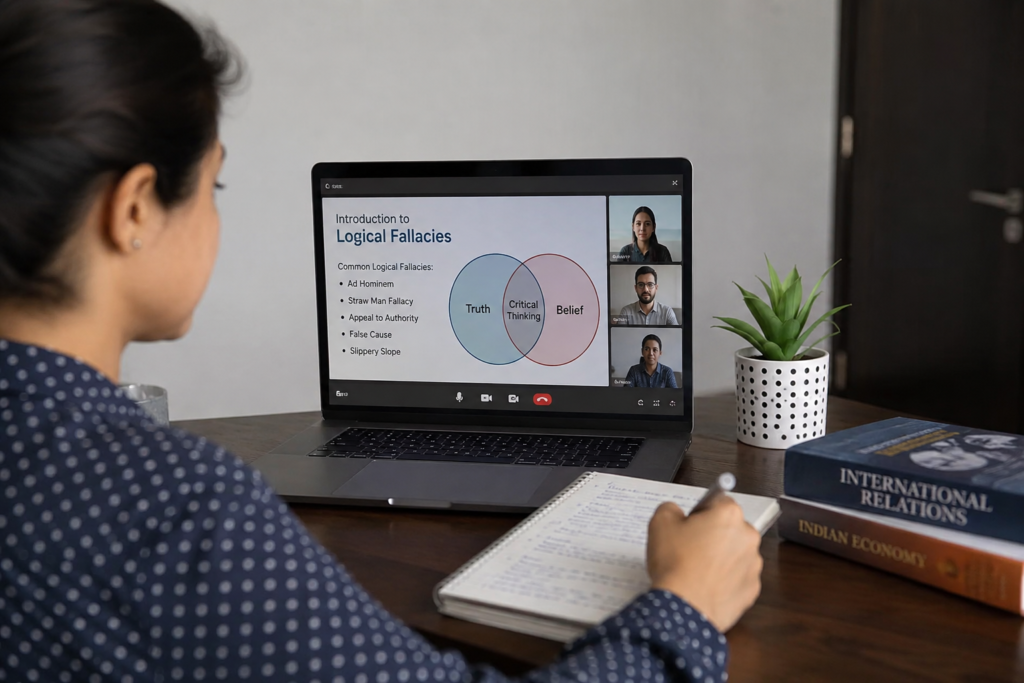
Technology has helped make education available to more people. Students who cannot easily attend traditional schools or universities may be able to study online.
People with busy schedules can choose online courses that fit their lives. Students living in remote areas can access lessons from teachers and educational institutions that may be far away.
Online education can also provide opportunities for people who want to learn new skills later in life. A person can take an online course to improve professional skills, learn a language, study technology, or explore a new subject.
Saving Time and Reducing Costs
Online education can also save time and reduce some education related costs. Students may not need to travel to a campus every day, which can reduce transportation expenses and travel time.
Digital resources can also reduce the need for printed materials. Many books, notes, assignments, and study resources can be stored electronically.
For some learners, these advantages make education more affordable and convenient. However, students still need access to a reliable device and internet connection, which can be a challenge for some families.
Technology Makes Learning More Engaging
Keeping students interested can sometimes be difficult, especially when a lesson is long or complicated. Technology gives teachers more options for making learning engaging.
Educational games, interactive exercises, videos, virtual activities, and online challenges can make lessons more enjoyable. When students are actively involved in learning, they may be more likely to remember important information.
Gamification is another approach used in online education. Students may receive points, badges, or progress rewards for completing activities. These features can encourage learners to stay motivated and continue working toward their goals.
Challenges of Technology in Online Education
Although technology provides many benefits, online education also has some challenges. Students may become distracted by social media, games, or other websites while studying.
Technical problems can also interrupt online classes. Slow internet connections, outdated devices, and software issues can make learning difficult.
Another challenge is the lack of direct physical interaction. Some students may miss the social environment of a traditional classroom. For this reason, online education should focus not only on technology but also on communication, support, and student engagement.
Students also need good time management skills. Because online learning often provides more flexibility, learners must take responsibility for completing their lessons and assignments on time.
The Future of Online Education
The future of online education is likely to become even more connected with technology. Artificial intelligence, virtual reality, interactive platforms, and other digital tools may create new ways for students to learn.
Virtual reality could allow students to experience simulated environments for subjects such as science, history, medicine, and engineering. Artificial intelligence may provide more personalized learning experiences. Online platforms may also become better at identifying student needs and recommending useful educational resources.
These developments could make online education more engaging and personalized. However, teachers will continue to play an important role because technology cannot completely replace human guidance, encouragement, and understanding.
Conclusion
Technology is improving online education in many important ways. It provides easier access to educational resources, creates flexible learning opportunities, improves communication, supports personalized learning, and makes lessons more interactive. Students can learn through videos, quizzes, digital books, online discussions, and many other resources.
The biggest advantage of technology in education is that it gives students more control over their learning experience. They can study from different locations, review lessons when needed, and use a wide range of resources to improve their understanding.
At the same time, students and teachers need to use technology responsibly. Good online education requires discipline, communication, reliable resources, and active participation.
As technology continues to develop, online education will continue to change. The goal should not simply be to use more technology but to use it in a way that makes learning easier, more meaningful, and more accessible. When technology and good teaching work together, online education can provide valuable opportunities for students around the world.