Education is changing quickly because technology is becoming an important part of everyday learning. One of the biggest changes in modern education is the development of smart classrooms. A smart classroom uses digital tools, interactive technology, multimedia resources, and internet based learning systems to make teaching more interesting and effective. Instead of depending only on textbooks and traditional lectures, teachers can use videos, presentations, interactive boards, educational applications, online resources, and digital activities to explain different topics.
Smart classrooms improve student learning by creating an engaging environment where students can understand lessons more easily, participate actively, and access information quickly. They also help teachers present difficult concepts in simple and practical ways. As schools continue to adopt modern technology, smart classrooms are becoming an important part of quality education.
What Is a Smart Classroom?
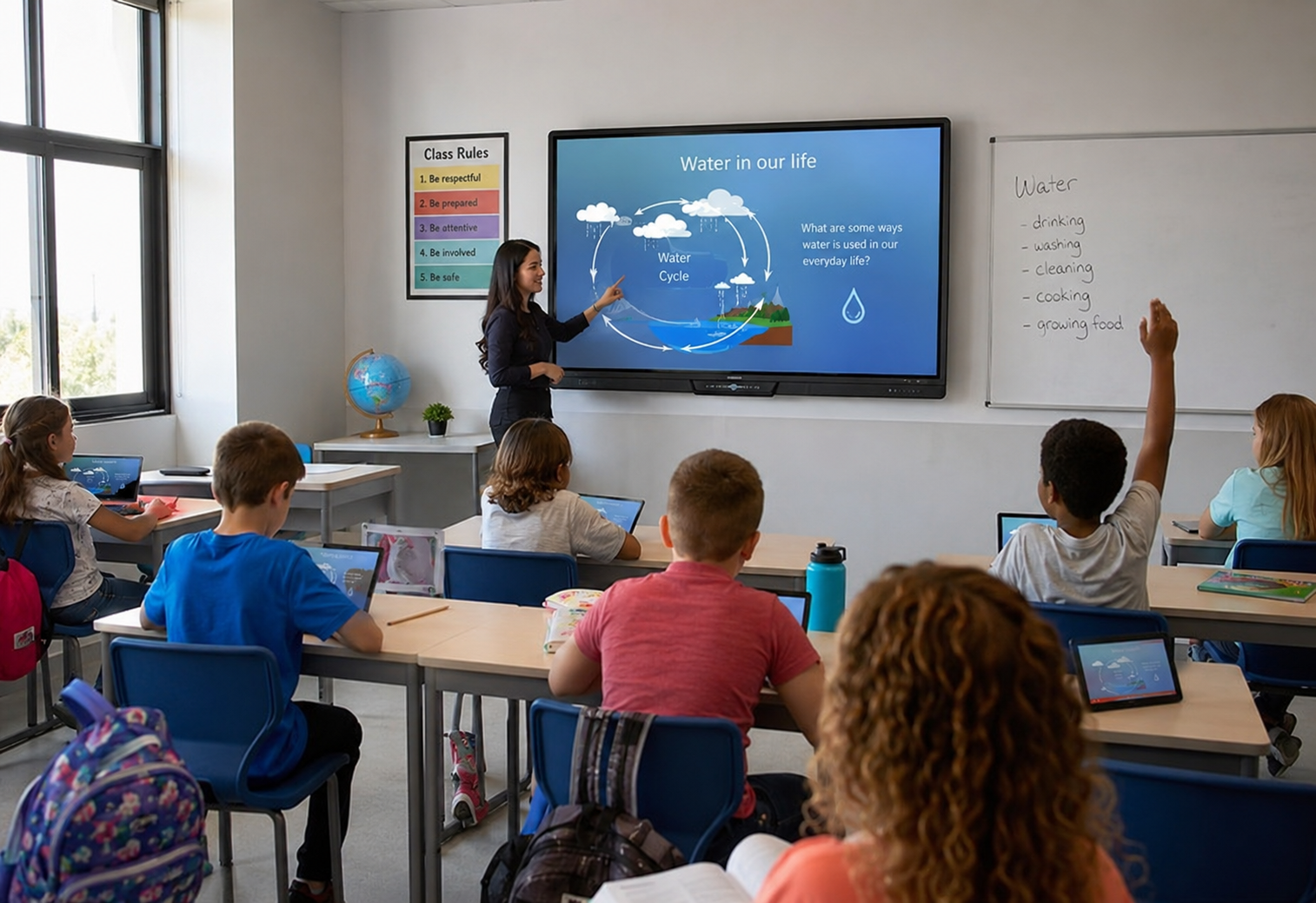
A smart classroom is a modern learning environment equipped with digital technology that supports teaching and learning. It may include interactive whiteboards, projectors, computers, tablets, digital learning platforms, educational software, audio systems, and high speed internet.
The main purpose of a smart classroom is not simply to use technology. The real goal is to improve the learning experience for students and make teaching more effective for educators. Technology allows teachers to combine text, images, audio, videos, animations, and interactive activities in one lesson.
For example, a science teacher can show a video of a natural process instead of only explaining it through words. A mathematics teacher can use interactive graphs to demonstrate difficult formulas. This makes lessons easier to understand and helps students remember information for a longer time.
Makes Learning More Interactive
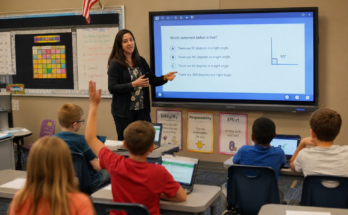
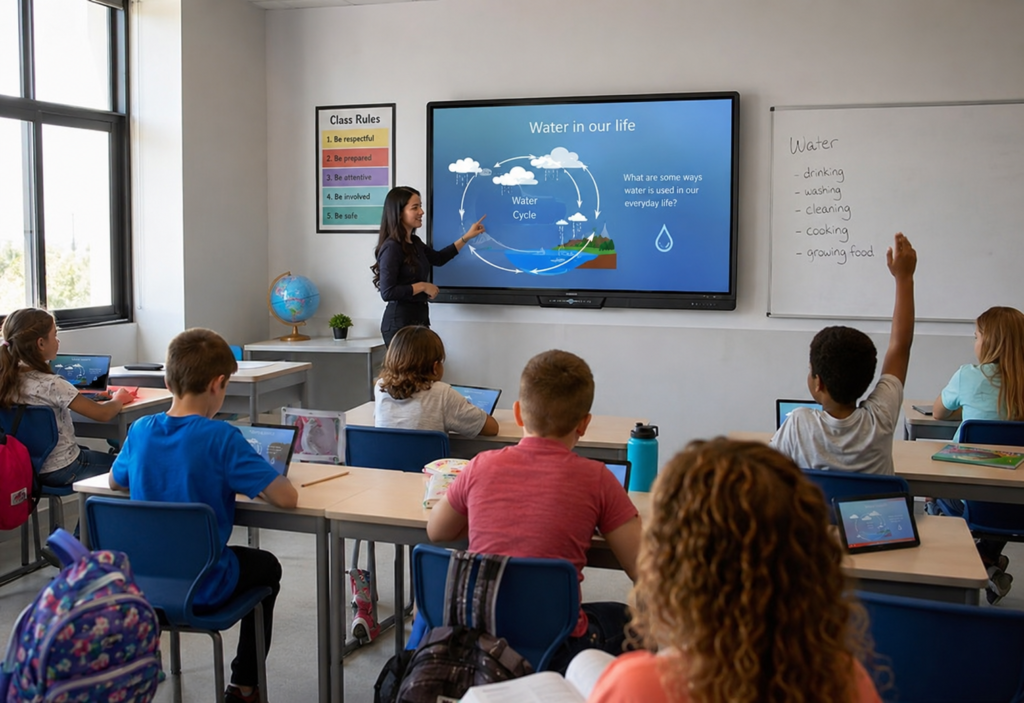
One of the biggest benefits of smart classrooms is interactive learning. Traditional classrooms can sometimes make students passive because they mainly listen to the teacher and write notes. Smart classrooms provide opportunities for students to participate directly in the lesson.
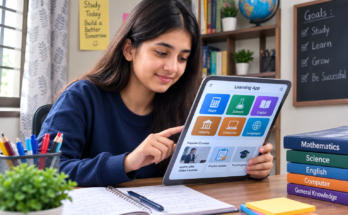
Interactive boards and educational applications allow students to answer questions, solve problems, complete activities, and explore different topics. Teachers can also conduct quizzes and classroom activities using digital tools.
When students actively participate, they are more likely to pay attention and understand the subject. Interactive learning can also make lessons more enjoyable and reduce boredom. This creates a positive classroom environment where students feel encouraged to participate.
Makes Difficult Concepts Easier to Understand
Some subjects can be difficult to understand through textbooks alone. Smart classrooms help teachers explain complicated ideas through visual and practical examples.
For instance, students learning about the human body can watch educational animations showing how different organs work. Students studying geography can explore digital maps and virtual locations. In physics, teachers can use simulations to demonstrate experiments that may not be possible inside a normal classroom.
Visual learning is especially useful because students can see how something works instead of only reading about it. When information is presented through different methods, students have more opportunities to understand and remember it.
Improves Student Engagement
Student engagement is an important part of successful education. When students are interested in a lesson, they are more likely to ask questions, participate in discussions, and complete their assignments.
Smart classrooms can increase engagement by introducing multimedia content and interactive activities. Educational videos, animations, presentations, digital games, quizzes, and online exercises can make lessons more attractive.
Technology also gives teachers the ability to change their teaching methods according to the needs of their students. If a particular topic is not understood, the teacher can use another video, example, diagram, or activity to explain it again.
Supports Different Learning Styles
Every student learns differently. Some students understand information better through reading, while others learn more effectively through images, sounds, demonstrations, or practical activities.
Smart classrooms support different learning styles by providing multiple ways to present information. A teacher can explain a topic using written notes, pictures, videos, audio recordings, animations, and interactive exercises.
This flexibility can help students who struggle with traditional teaching methods. Instead of depending on one method, teachers can use different resources to make learning more accessible.
Provides Quick Access to Information
Another important advantage of smart classrooms is easy access to information. In a traditional classroom, students may need to search through several books to find additional information. With internet access and digital learning resources, students can find educational information within seconds.
Teachers can also access online libraries, research materials, educational websites, digital books, and academic resources during lessons. This can expand learning beyond the textbook.
However, students should also learn how to identify reliable information. Teachers can guide them toward trustworthy educational sources and teach them responsible internet use.
Encourages Collaborative Learning
Smart classrooms can make teamwork easier. Students can work together on presentations, digital projects, online assignments, and classroom activities.
Collaborative learning helps students develop communication, problem solving, creativity, and teamwork skills. These skills are important not only for academic success but also for future careers.
For example, a group of students can create a digital presentation about environmental problems. Each student can research a different part of the topic and then combine the information into one project. This approach makes learning more practical and encourages students to learn from one another.
Helps Teachers Track Student Progress
Smart classroom technology can also help teachers understand student performance. Many digital learning platforms provide information about assignments, quizzes, attendance, and test results.
Teachers can use this information to identify areas where students are performing well and areas where they need additional support. If several students are struggling with the same topic, the teacher can provide additional explanations and activities.
This makes education more personalized. Instead of using exactly the same approach for every student, teachers can adjust their teaching according to student performance.
Makes Learning More Flexible
Smart classrooms can support learning both inside and outside the classroom. Students can access digital notes, recorded lessons, assignments, and educational resources from home when these resources are provided through an appropriate learning platform.
This flexibility is useful for students who miss a class or need additional time to understand a topic. They can review the material again and learn at their own pace.
Digital learning resources can also support students who want to explore subjects beyond the regular curriculum. A student interested in space, technology, history, or science can find additional educational materials and develop deeper knowledge.
Develops Digital Skills
Technology is now an important part of education, employment, communication, and everyday life. Smart classrooms help students develop digital skills from an early stage.
Students learn how to use computers, educational applications, online research tools, digital presentation software, and communication platforms. These skills can prepare them for higher education and future careers.
Digital literacy is becoming increasingly important. Students need to understand not only how to use technology but also how to use it responsibly, safely, and effectively.
Saves Time for Teachers and Students
Smart classroom technology can also save time. Teachers can prepare digital presentations, quizzes, notes, and activities in advance. These resources can often be reused and updated when necessary.
Students can receive assignments and learning materials digitally, reducing the need for unnecessary paperwork. Teachers can also provide feedback more efficiently through digital platforms.
Saving time allows teachers to focus more on explaining concepts, answering questions, and supporting students.
Creates a More Modern Learning Environment
A smart classroom creates an environment that reflects the way students experience information in the modern world. Students are already surrounded by smartphones, computers, digital media, and online information outside school. Bringing suitable technology into education can connect classroom learning with real world experiences.
However, technology should support education rather than replace teachers. A good smart classroom still depends on skilled teachers who understand their students and know how to use technology effectively.
Challenges of Smart Classrooms
Although smart classrooms offer many benefits, they also have some challenges. Schools need suitable equipment, reliable internet connections, technical support, and trained teachers. Technology can also be expensive, especially for schools with limited resources.
Technical problems may interrupt lessons. Students can also become distracted if digital devices are not used properly. For this reason, schools need clear rules and teachers need proper training.
Another important issue is equal access. Every student should have a fair opportunity to benefit from digital education. Schools and education systems should work toward reducing the technology gap between students.
The Future of Smart Classrooms
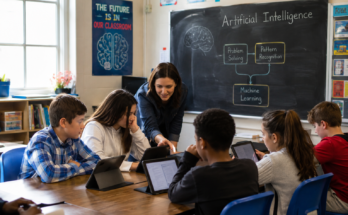
The future of smart classrooms is likely to include even more advanced educational technology. Artificial intelligence, virtual reality, adaptive learning platforms, and personalized digital resources may provide new ways for students to learn.
These technologies can help create learning experiences that are more personalized and interactive. However, the role of teachers will remain essential. Technology can provide tools and information, but teachers provide guidance, encouragement, explanation, and human connection.
Conclusion
Smart classrooms are changing the way students learn by making education more interactive, visual, flexible, and engaging. They help teachers explain difficult concepts, provide quick access to information, support different learning styles, encourage collaboration, and track student progress.
The main benefit of smart classroom technology is that it can create a learning environment where students are more actively involved in their education. When technology is used properly, it can support teachers and give students better opportunities to understand and explore different subjects.
Smart classrooms are not simply about replacing traditional teaching tools with digital devices. They are about improving the overall learning experience. With effective teaching, responsible technology use, proper training, and equal access, smart classrooms can play an important role in improving student learning and preparing young people for the future.