Time management is one of the most important skills students can learn. Many students have to manage classes, homework, exams, family responsibilities, friends, hobbies, and personal time. When everything feels important, it can become difficult to decide what should be done first. Poor time management can lead to stress, missed deadlines, unfinished assignments, and low grades.
The good news is that students do not need complicated systems to manage their time better. A few simple habits can make a big difference. By planning tasks, setting priorities, avoiding distractions, and using study time wisely, students can become more organized and productive. In this article, we will discuss simple time management tips for students that can help them complete their work on time and enjoy a better study routine.
Understand How You Spend Your Time
The first step toward better time management is understanding where your time goes. Students often feel that they do not have enough time, but sometimes a large part of the day is spent on activities that are not necessary.
For a few days, write down how you spend your time. Include school or college classes, studying, sleeping, using social media, watching videos, playing games, eating, and other daily activities. This can help you identify where you are wasting time.
Once you understand your daily routine, you can make better decisions. For example, if you notice that you spend two hours checking social media every evening, you can reduce that time and use some of it for homework or revision.
Create a Daily Study Schedule
A daily schedule can make student life much easier. Instead of deciding what to study at the last minute, plan your day in advance.
Write down the tasks you need to complete and decide when you will work on each task. Keep your schedule realistic. Do not fill every minute with work because you also need breaks and personal time.
For example, you might study mathematics from 5 PM to 6 PM, take a short break, and then work on an English assignment from 6:15 PM to 7 PM. A simple schedule gives your day structure and helps you stay focused.
Set Clear Priorities
Not every task has the same level of importance. Learning how to prioritize is an important part of effective time management for students.
Start by identifying tasks that have close deadlines or are especially important. An assignment due tomorrow should usually receive more attention than an assignment due next week.
You can divide your tasks into three groups: urgent and important, important but not urgent, and less important. Focus on urgent and important tasks first. This simple method can prevent you from spending too much time on small activities while important work remains unfinished.
Break Large Tasks Into Smaller Steps
Large assignments can feel difficult when you look at them as one big task. Instead of trying to complete everything at once, divide the assignment into smaller steps.
For example, if you have to write a research paper, you can first choose the topic, then collect information, create an outline, write the introduction, complete the main sections, and finally proofread the work.
Smaller steps are easier to manage and can make a large project feel less stressful. Completing each step also gives you a sense of progress and motivation.
Avoid Multitasking While Studying
Many students believe they can save time by doing several things at once. In reality, multitasking can make studying less effective. Checking messages while reading a textbook or watching videos while completing homework can reduce concentration.
Try to focus on one important task at a time. Put your phone away or turn off unnecessary notifications while studying. When your attention is focused on one activity, you are more likely to understand the material and finish your work faster.
Use Short Study Sessions
Studying for several hours without a break can make you tired and reduce concentration. Short study sessions can often be more productive.
One useful approach is to study for around 25 to 40 minutes and then take a short break. During the break, stand up, drink water, walk around, or relax for a few minutes.
After the break, return to your studies with a fresh mind. You can adjust the length of your study sessions according to your personal needs and the difficulty of the subject.
Keep a To Do List
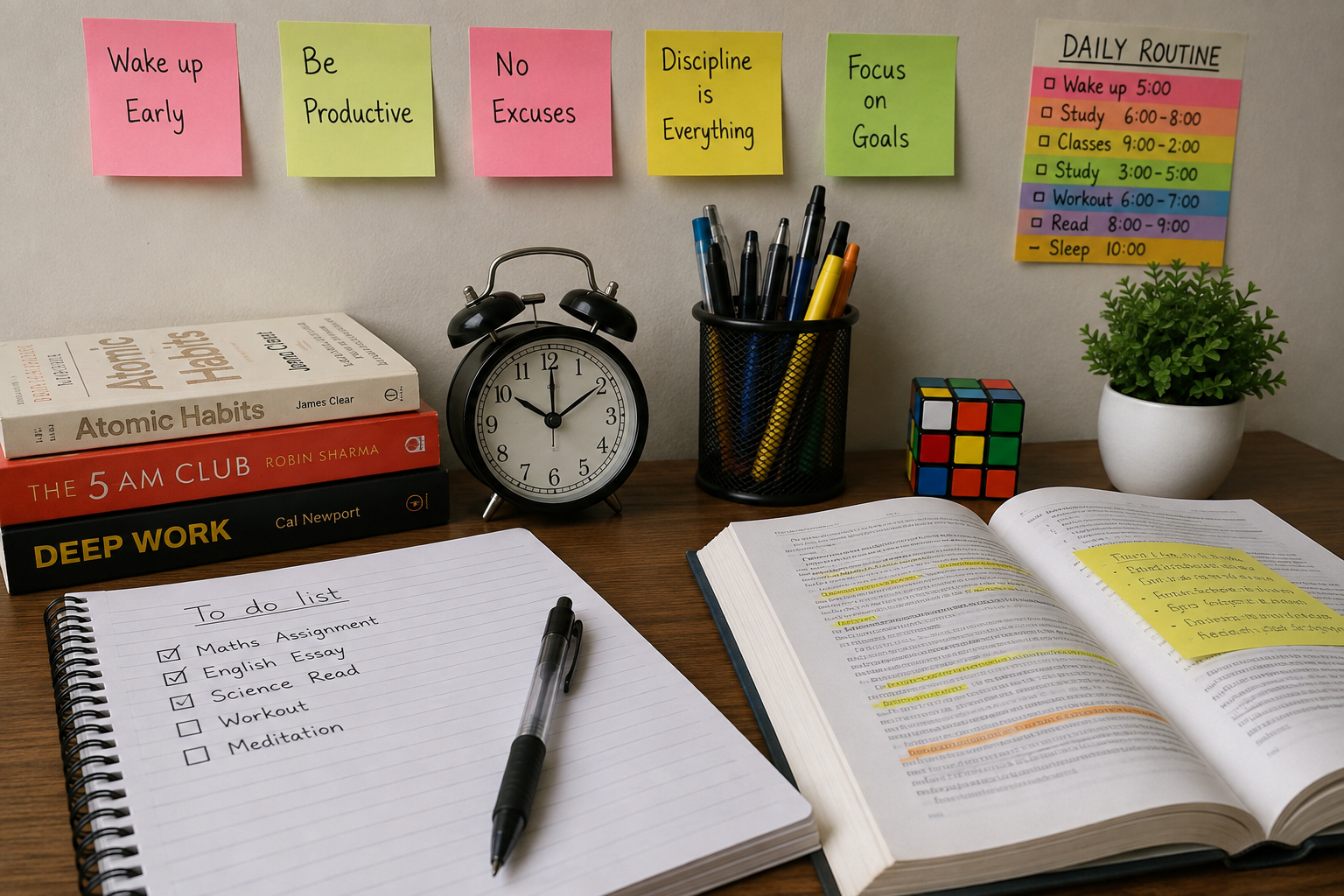
A simple to do list can help students stay organized. At the beginning of each day, write down the tasks you need to complete.
Keep the list short and realistic. Writing twenty tasks on a list may make you feel overwhelmed. Instead, identify the most important tasks and focus on completing them.
Crossing completed tasks off your list can also provide motivation. It allows you to see what you have achieved during the day and what still needs attention.
Set Deadlines Before the Actual Deadline
Waiting until the last day to complete an assignment can create unnecessary stress. A better approach is to set your own deadline before the actual deadline.
If an assignment is due on Friday, try to finish it by Wednesday or Thursday. This gives you extra time to check your work and deal with unexpected problems.
Personal deadlines are especially useful for large projects because they encourage you to make steady progress instead of doing everything at the last minute.
Limit Social Media and Phone Distractions
Phones and social media can easily take away valuable study time. A student may check one message and then spend thirty minutes scrolling through videos or posts.
You do not have to stop using your phone completely. Instead, create specific times for checking social media. During study sessions, keep your phone away from your desk or use a focus mode that blocks unnecessary notifications.
Reducing digital distractions is one of the simplest ways to improve concentration and student productivity.
Learn to Say No
Students sometimes have difficulty saying no when friends invite them to activities. Social activities are important, but they should not always come before academic responsibilities.
If you have an important exam or assignment, it is okay to say that you are busy and will join later. Good time management means understanding your priorities and making choices that support your goals.
This does not mean avoiding friends or entertainment. It simply means finding a healthy balance between study and personal life.
Do Not Forget About Sleep
Sleep is an important part of effective time management. Some students stay awake late at night because they think more study hours will automatically lead to better results.
However, lack of sleep can make it harder to concentrate, remember information, and stay productive. Try to maintain a regular sleeping routine and give your body enough time to rest.
Good time management should help you create a balanced lifestyle, not force you to study all the time.
Use Free Time Wisely
Students often have small periods of free time during the day. Instead of wasting these moments, you can use them for simple academic tasks.
For example, you can review notes while waiting for a class, read a few pages of a book during a break, or organize your study materials before going home.
You do not need to study during every free moment. The goal is simply to recognize opportunities where a small amount of productive work can reduce your workload later.
Review Your Progress Every Week
Weekly review is another useful time management habit. At the end of each week, take a few minutes to think about what went well and what did not.
Ask yourself which tasks you completed, where you wasted time, and which subjects need more attention next week. Then adjust your schedule accordingly.
Your routine does not need to be perfect. The goal is to keep improving it based on your real experience.
Create a Comfortable Study Environment
Your study environment can have a major effect on your productivity. A messy desk, loud television, constant phone notifications, or frequent interruptions can make it difficult to concentrate.
Try to create a clean and comfortable study area. Keep the materials you need nearby and remove unnecessary distractions.
A consistent study environment can also help your brain recognize that it is time to focus.
Conclusion
Simple time management tips for students can make everyday academic life easier and less stressful. You do not need a complicated productivity system to become more organized. Start by understanding how you spend your time, creating a realistic daily schedule, setting priorities, and breaking large tasks into smaller steps.
Avoid multitasking, reduce phone distractions, use short study sessions, and keep a simple to do list. Most importantly, remember to get enough sleep and make time for relaxation.
Good time management is not about studying every minute of the day. It is about using your available time wisely so you can complete your responsibilities while still having time for yourself. With consistent practice, these simple habits can improve focus, reduce stress, increase productivity, and help students achieve better academic results.