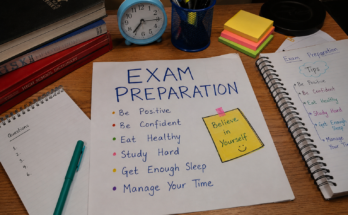

Staying motivated during your studies can be difficult, especially when you have a lot of assignments, exams, long study hours, and other responsibilities. At the beginning of a new semester, students often feel excited and ready to work hard. However, after some time, that motivation can become weaker. This is completely normal. The important thing is to understand how to stay motivated during your studies even when you do not feel like studying.
Student motivation is not about feeling excited every day. It is about building simple habits that help you continue working toward your goals. With the right study routine, clear goals, a positive mindset, and a comfortable study environment, you can make learning easier and more enjoyable. This article explains practical ways to stay motivated during your studies and achieve better academic results.
Set Clear Study Goals
One of the best ways to stay motivated during your studies is to set clear goals. When you know exactly what you want to achieve, it becomes easier to understand why you need to study.
Instead of saying that you want to study more, create specific goals. For example, you can decide to complete two chapters today, practice twenty mathematics questions, or revise one topic before dinner. Small and clear goals feel easier to achieve than large and confusing goals.
You can also create long term academic goals. Think about the grades you want, the skills you want to develop, or the career you want to build. When your daily study activities are connected to your future goals, studying can feel more meaningful.
Create a Simple Study Routine
A good study routine can make a big difference in your motivation. When studying becomes part of your daily routine, you do not have to spend too much time deciding when or how to begin.
Choose a study schedule that matches your daily life. Some students focus better in the morning, while others prefer studying in the afternoon or evening. Find the time when your mind feels most active and use that period for difficult subjects.
Try to study at the same time each day. A regular routine helps your brain get used to studying. You should also include short breaks in your schedule so you do not become mentally tired.
Break Large Tasks Into Smaller Steps
Large assignments and difficult subjects can make students feel stressed. Looking at a huge amount of work can reduce motivation before you even begin.
A simple solution is to divide large tasks into smaller steps. If you have a long chapter to study, do not try to finish everything at once. Read a few pages, write important notes, review key ideas, and then continue.
Breaking your work into smaller tasks gives you a feeling of progress. Every completed task becomes a small achievement that encourages you to continue.
Remove Distractions While Studying
Distractions are one of the biggest problems for students today. Social media, mobile phones, online videos, games, and unnecessary notifications can quickly take attention away from studying.
Before you start studying, remove anything that may distract you. Put your phone on silent mode or keep it away from your study desk. Close unnecessary websites and turn off notifications on your computer.
You do not need to avoid technology completely. Instead, learn to control how you use it. Technology can be helpful for research, online classes, educational videos, and study applications when you use it with a clear purpose.
Use Positive Motivation
Your thoughts can strongly influence your study motivation. If you constantly tell yourself that a subject is too difficult or that you will never get good grades, you may lose the desire to continue.
Try to use positive thoughts instead. Remind yourself that learning takes time and that making mistakes is part of the process. Instead of saying, “I cannot understand this,” say, “I do not understand this yet, but I can learn it with practice.”
A positive mindset does not mean ignoring difficulties. It means believing that you can improve through effort and patience.
Reward Yourself After Completing Tasks
Small rewards can make studying more enjoyable. After completing an important study task, give yourself a short break or do something you enjoy.
For example, you might listen to music, take a short walk, enjoy a snack, or talk with a friend. The reward does not need to be expensive or complicated.
The main idea is to connect progress with something positive. When you regularly complete study goals and reward yourself, you can develop a healthier relationship with studying.
Find a Comfortable Study Environment
Your study environment can affect your concentration and motivation. A messy or noisy place can make it harder to focus.
Try to create a study space that is clean, organized, and comfortable. Keep your books, notebooks, pens, and other study materials nearby. Good lighting is also important because it can make reading more comfortable.
If you cannot study quietly at home, consider using a library or another peaceful location. The best study environment is the one where you can focus without unnecessary interruptions.
Study With Friends
Studying alone can sometimes feel boring. If you are struggling with motivation, studying with friends can make learning more interesting.
You can form a small study group and discuss difficult topics together. Explaining a concept to another student can also help you understand it better. Friends can encourage each other and provide support before exams.
However, make sure your study group stays focused. If the group becomes mostly about chatting and entertainment, it may reduce productivity instead of improving it.
Track Your Progress
Tracking your progress is another effective way to stay motivated during your studies. When you can see how much you have already completed, you may feel more confident about continuing.
You can use a simple notebook, calendar, or digital application to record your study activities. Write down the topics you have completed, assignments you have finished, and exams you have prepared for.
Do not focus only on what remains. Look at what you have already achieved. Even small progress is still progress.
Take Care of Your Body and Mind
Students sometimes believe that studying for long hours without rest is the best way to succeed. In reality, your physical and mental health can have a major effect on concentration and motivation.
Try to get enough sleep each night. A tired mind finds it harder to remember information and stay focused. Eat balanced meals, drink enough water, and include some physical activity in your daily routine.
Taking breaks is also important. If you study continuously for many hours, your concentration can decrease. Short breaks can help your brain recover and prepare for the next study session.

Do Not Compare Yourself With Others
Comparing your academic progress with other students can damage your motivation. Every student has different strengths, weaknesses, learning styles, and personal circumstances.
Someone may understand a subject quickly while you need more time. That does not mean you are less capable. Focus on your own progress instead of constantly comparing yourself with others.
Your main competition should be with your previous performance. Try to become a little better than you were yesterday.
Remember Why You Started
There may be days when you do not feel motivated at all. During these moments, remember why you started your studies in the first place.
Think about your future career, personal goals, family expectations, or the opportunities you want to create for yourself. Your reason for studying can give you the strength to continue when motivation becomes weak.
Write down your main reasons and keep them somewhere you can see them. Reading them during difficult study sessions can remind you that your effort has a purpose.
Avoid Trying to Be Perfect
Perfectionism can make studying more stressful. Some students believe that every study session must be perfect or that every test must receive the highest possible grade.
Instead of trying to be perfect, focus on consistent improvement. It is okay to make mistakes, receive lower grades sometimes, or have an unproductive day. What matters is that you learn from the experience and continue moving forward.
Successful students are not motivated every moment. They simply learn how to continue even when things become difficult.
Conclusion
Learning how to stay motivated during your studies is an important skill for every student. Motivation can change from day to day, but good habits can help you continue working toward your goals.
Set clear study goals, create a simple routine, divide large tasks into smaller steps, remove distractions, and keep a positive mindset. Remember to reward your progress, study in a comfortable environment, take care of your health, and avoid comparing yourself with others.
Most importantly, remember that academic success does not happen overnight. It comes from regular effort, patience, and consistency. Even when you feel tired or unmotivated, taking one small step can bring you closer to your goals. By developing effective study habits and maintaining a clear purpose, you can stay motivated during your studies and build a stronger path toward academic success.