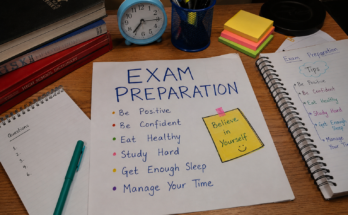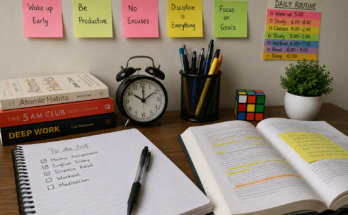
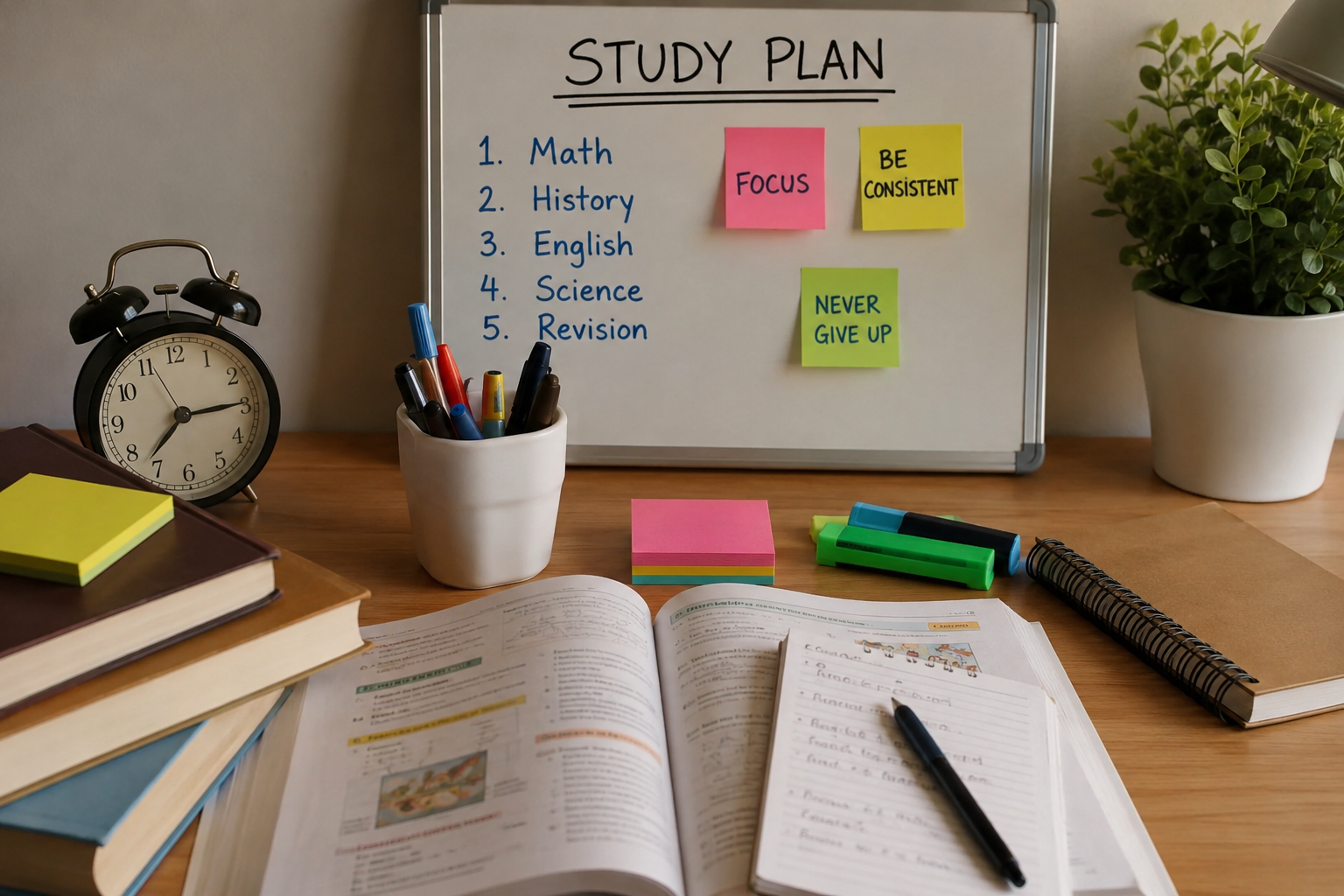
Studying is an important part of every student’s life, but spending many hours with books does not always mean that a student is learning effectively. Some students study for several hours and still struggle to remember important information, while others achieve better results by using simple and organized study methods. The main difference is often the study technique they use.
Effective study techniques can help students understand lessons, remember information, improve concentration, and prepare better for exams. Instead of studying harder, students should learn how to study smarter. The right study habits can also reduce stress and make learning more enjoyable.
Create a Realistic Study Schedule
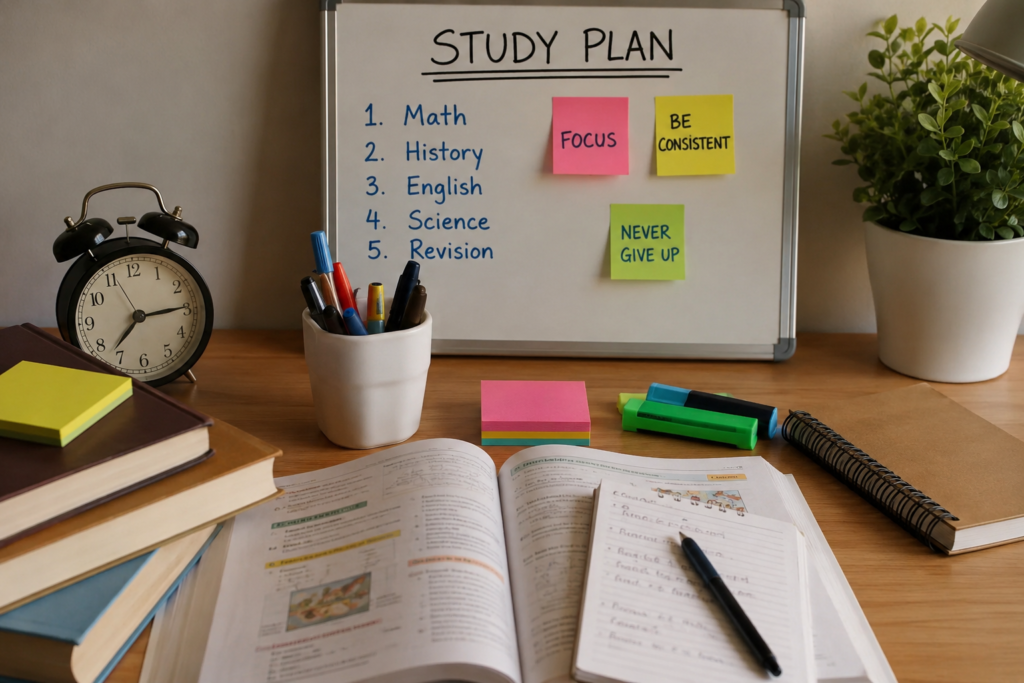
One of the most effective study techniques is creating a proper study schedule. Many students wait until exams are close before they start studying. This can create pressure and make it difficult to understand a large amount of information in a short time.
A study schedule helps students divide their work into smaller and more manageable parts. Students can decide which subjects need more attention and set specific times for studying each subject. A good schedule should also include short breaks because studying continuously for many hours can reduce concentration.
Students should create a schedule that matches their daily routine. It is better to study for a reasonable amount of time every day than to study for many hours only once a week.
Use Active Recall
Active recall is one of the most useful study techniques for improving memory. Instead of reading the same page again and again, students should close their books and try to remember what they have learned.
For example, after reading a chapter about history, a student can close the book and explain the main events without looking at the notes. If the student cannot remember something, they can check the book and try again.
Students can also use questions and answers to practice active recall. Asking yourself questions about a lesson forces the brain to search for information. This makes learning more effective and can help students remember information for longer.
Practice Spaced Repetition
Spaced repetition is another powerful study method. It means reviewing information several times over a period of days or weeks instead of trying to memorize everything in one sitting.
For example, a student can review new information on the same day, then review it again after two days, one week later, and again before an exam. This approach gives the brain repeated opportunities to remember important information.
Spaced repetition is especially useful for subjects that require memorization, such as vocabulary, formulas, definitions, dates, and scientific terms. Regular review can prevent students from forgetting information quickly.
Take Clear and Useful Notes
Good note taking can make studying much easier. Students should not try to write every word that a teacher says. Instead, they should focus on important ideas, explanations, examples, and key terms.
Notes should be simple and organized. Students can use headings, short points, questions, and examples to make their notes easier to understand. Writing information in your own words can also improve understanding.
After class, students should spend a few minutes reviewing their notes. They can correct unclear information and add important details that they remember from the lesson. This small habit can make exam preparation much easier later.
Study in Short Focused Sessions
Long study sessions are not always productive. When students study for too many hours without a break, their concentration can decrease. Short focused study sessions can often produce better results.
Students can try studying for about 25 to 50 minutes and then taking a short break. During the study period, they should focus only on the selected subject. During the break, they can walk around, drink water, or relax for a few minutes.
The goal is not simply to spend more time studying. The goal is to use study time effectively and remain focused during each session.
Remove Distractions
Distractions are one of the biggest problems for students today. Mobile phones, social media, television, games, and unnecessary notifications can interrupt concentration.
Before starting a study session, students should remove as many distractions as possible. Putting the phone away or turning off notifications can make a major difference. Students should also choose a quiet and comfortable study area.
A clean study environment can help the mind focus on the task. Everything needed for studying should be available before the session begins so that students do not need to keep getting up.
Use Practice Questions
Practice questions are extremely helpful for understanding how much you actually know. Reading a textbook can make students feel that they understand everything, but answering questions can reveal areas that need more work.
Students should solve questions after completing each topic. They can also use previous exam papers, quizzes, worksheets, and textbook exercises. After completing the questions, students should check their answers carefully.
Making mistakes during practice is not a bad thing. Mistakes show students what they need to improve before the actual exam.
Explain the Topic in Your Own Words
One of the best ways to check your understanding is to explain a topic as if you are teaching it to another person. This technique helps students identify gaps in their knowledge.
For example, after studying a science topic, a student can explain the concept using simple language. If they cannot explain an idea clearly, they may need to study that part again.
Teaching a friend or family member can also be useful. When students explain information to someone else, they need to organize their thoughts and understand the subject more deeply.
Use Different Learning Methods
Every student learns differently, so using only one study method may not always be effective. Students can combine reading, writing, speaking, practice questions, diagrams, and discussions.
Visual learners may benefit from charts, diagrams, and mind maps. Students who learn better by listening can explain topics aloud or listen to educational materials. Writing summaries can help students who understand information better through written practice.
Using different methods can make studying more interesting and help students understand difficult topics from different perspectives.
Make Mind Maps
Mind maps are useful for organizing information and showing relationships between ideas. Students can write the main topic in the center of a page and connect related ideas around it.
For example, while studying biology, a student can write the name of a system in the center and create branches for its functions, parts, examples, and important terms.
Mind maps can be especially helpful when reviewing a large chapter. They provide a quick visual summary that students can review before an exam.
Take Care of Your Health
Effective study techniques are not only about books and notes. Physical and mental health also have an important role in academic success.
Students should get enough sleep because the brain needs rest to process and remember information. Eating balanced meals and drinking enough water can also support concentration. Regular physical activity can help students feel more energetic and reduce everyday stress.
Trying to study all night before an exam may seem productive, but lack of sleep can make concentration and memory worse. A healthy routine is usually more useful than last minute studying.
Set Specific Study Goals
Students should set clear goals before starting each study session. Instead of saying, “I will study today,” it is better to set a specific target such as completing one chapter, learning twenty vocabulary words, or solving thirty mathematics questions.
Specific goals make studying more organized and give students a clear sense of progress. Completing small goals can also increase motivation.
Students should keep their goals realistic. Setting too many goals at once can create frustration. It is better to complete a few important tasks properly than to rush through many tasks.
Review Mistakes Regularly
Mistakes can become valuable learning opportunities when students review them carefully. After completing practice tests or assignments, students should identify incorrect answers and understand why they made those mistakes.
Keeping a mistake notebook can be helpful. Students can write down difficult questions, incorrect answers, and the correct explanations. Reviewing this notebook regularly can prevent the same mistakes from appearing in future exams.
Stay Consistent
Consistency is one of the most important factors in successful studying. Students do not need to study for extremely long hours every day. They need to develop a routine that they can maintain.
Even thirty minutes of focused study each day can become valuable when it is continued over a long period. Regular studying reduces the amount of material that needs to be learned at the last minute.
Students should remember that progress may not be visible immediately. Learning takes time, and improvement comes from repeated effort.
Conclusion
Effective study techniques can completely change the way students learn. Creating a realistic study schedule, using active recall, practicing spaced repetition, taking useful notes, solving practice questions, removing distractions, and reviewing mistakes can make study time more productive.
Students should also take care of their health, get enough sleep, set clear goals, and remain consistent. There is no single study technique that works perfectly for everyone. The best approach is to experiment with different methods and discover which ones help you understand and remember information most effectively.
Good studying is not about sitting with books for endless hours. It is about using your time wisely, staying focused, practicing regularly, and understanding the material instead of simply memorizing it. With the right study habits and effective study techniques, every student can improve learning skills, build confidence, and achieve better academic results.