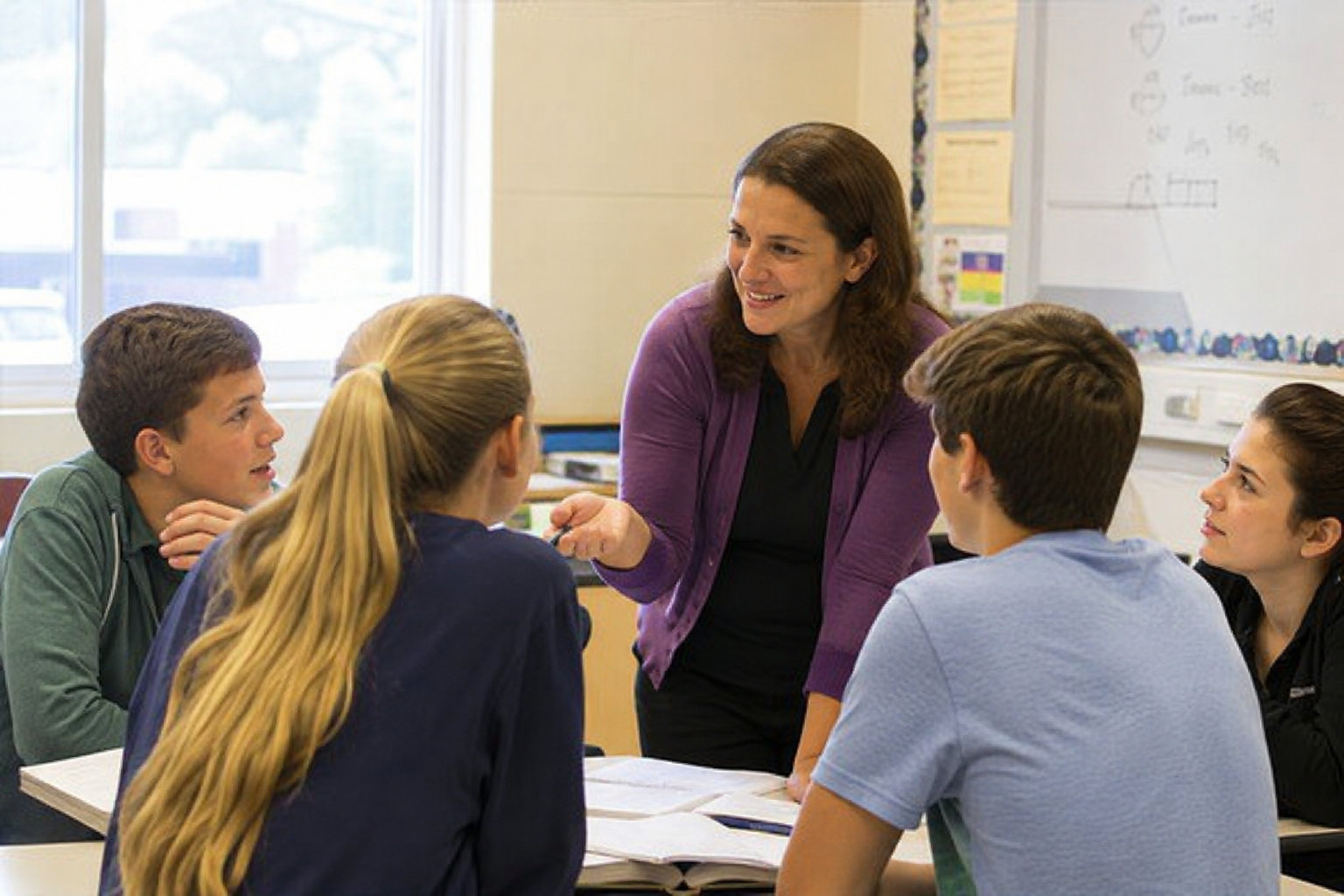
Communication between teachers and students is one of the most important parts of successful education. A classroom is not only a place where teachers provide information and students listen. It is a place where ideas are shared, questions are asked, problems are discussed, and confidence is developed. Good communication between teachers and students helps create a positive learning environment where students feel comfortable, respected, and motivated to learn.
When teachers communicate clearly with their students, lessons become easier to understand. At the same time, when students feel comfortable talking to their teachers, they can share their problems, ask questions, and explain what they do not understand. This two way communication can improve student performance and make the learning process more effective.
Why Communication Is Important in Education
Communication plays a major role in education because learning depends on understanding. A teacher may have excellent knowledge, but if the lesson is not explained clearly, students may struggle to understand the topic. Good communication allows teachers to present information in a simple and useful way.
Students also have different learning needs. Some students understand a topic quickly, while others need more examples or explanations. Through regular communication, teachers can understand these differences and change their teaching methods when needed.
Effective communication in education also helps students become more confident. When teachers listen to students and respond respectfully, students learn that their thoughts and questions are valuable. This encourages them to participate more actively in classroom activities.
Builds Trust Between Teachers and Students
Trust is an important part of a successful classroom. Students are more likely to learn effectively when they trust their teachers. Good communication helps build this trust over time.
Teachers can build trust by listening carefully, keeping promises, treating students fairly, and speaking to them respectfully. A teacher who gives students enough time to express themselves can create a stronger relationship with the class.
When students trust their teachers, they are more comfortable discussing academic difficulties. They may also feel safer asking questions when they do not understand something. This can prevent small learning problems from becoming larger problems later.
Improves Student Learning
One of the biggest benefits of teacher student communication is improved learning. Students need opportunities to ask questions, receive explanations, and get feedback about their work.
For example, if a student does not understand a mathematics problem, communication allows the student to tell the teacher where the difficulty is. The teacher can then explain the problem in another way. This simple interaction can make a big difference in the student’s understanding.
Teachers can also use questions during lessons to check whether students are following the topic. Instead of only giving information, teachers can encourage students to explain ideas in their own words. This makes learning more active and meaningful.
Encourages Students to Ask Questions
Questions are an important part of learning. Students cannot understand everything immediately, and asking questions helps them discover new information.
Unfortunately, some students are afraid to ask questions because they worry about making mistakes or being judged by others. A supportive teacher can reduce this fear by creating a classroom where questions are welcomed.
Teachers should remind students that asking questions is a normal part of education. When students understand that mistakes are opportunities to learn, they become more willing to participate.
Helps Teachers Understand Students
Every student is different. Students have different interests, abilities, personalities, and learning needs. Communication helps teachers understand these differences.
A teacher who communicates regularly with students can identify areas where students are struggling. The teacher may also discover subjects that students enjoy and use those interests to make lessons more engaging.
Communication can also help teachers notice when a student is losing motivation. A short conversation can sometimes help a teacher understand why a student is not participating or completing work.
Creates a Positive Classroom Environment
A classroom with good communication is usually more positive and comfortable. Students know what is expected from them, and teachers understand what students need.
Clear communication also helps reduce confusion. Teachers can explain classroom rules, assignments, deadlines, and learning goals clearly. When students understand these expectations, they are more likely to follow them.
Positive communication should also include encouragement. Simple words of appreciation can motivate students to continue working hard. Teachers do not always need to give rewards. Sometimes a sincere compliment can increase a student’s confidence.
Provides Useful Feedback
Feedback is another important part of communication between teachers and students. Students need to know what they are doing well and where they can improve.
Good feedback should be clear and helpful. Instead of simply saying that an answer is wrong, a teacher can explain the mistake and show the student how to improve it.
Constructive feedback helps students understand their strengths and weaknesses. It also gives them a clear direction for future learning. When students receive regular feedback, they can gradually improve their academic performance.
Supports Student Confidence
Communication can have a strong effect on student confidence. Students who feel heard and respected are more likely to believe in their abilities.
Teachers can support student confidence by recognizing effort, encouraging participation, and responding positively to questions. Even when a student gives an incorrect answer, the teacher can use the situation as a learning opportunity instead of embarrassing the student.
A confident student is more likely to participate in discussions, complete assignments, and try difficult tasks. This can lead to better learning outcomes over time.
Helps Solve Classroom Problems
Problems can happen in every classroom. Students may have disagreements, misunderstand instructions, or lose interest in their studies. Poor communication can make these problems worse.
Good communication helps teachers identify problems early. If a student is having difficulty, the teacher can talk to the student and try to understand the situation. Instead of making quick assumptions, the teacher can listen and find a suitable solution.
Communication is also important when dealing with conflicts between students. Teachers can encourage students to explain their feelings calmly and listen to each other. This can help create a more respectful classroom.
The Role of Listening in Teacher Student Communication
Communication is not only about speaking. Listening is equally important. Teachers should listen carefully when students ask questions or share their concerns.
Active listening shows students that their opinions matter. Teachers can listen without interrupting and ask simple questions to make sure they understand what the student means.
Students should also learn to listen to their teachers and classmates. Good listening improves understanding and helps create respectful relationships in the classroom.
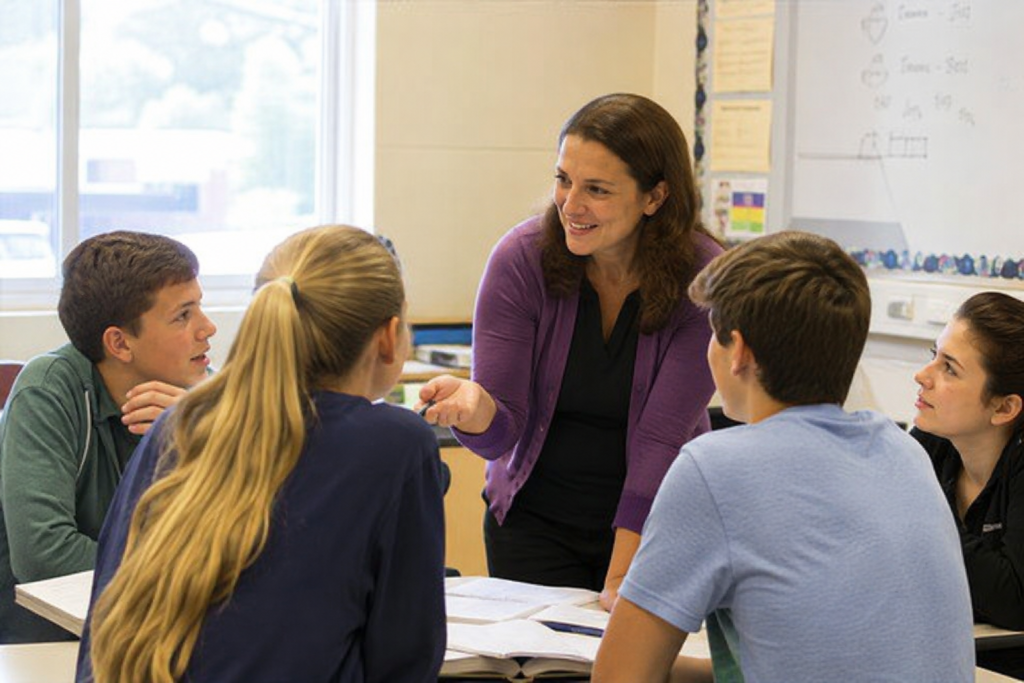
Communication Through Technology
Technology has created new opportunities for teacher student communication. Online classrooms, educational platforms, email, video meetings, and messaging systems can help teachers stay connected with students.
Digital communication can be especially useful when students need additional instructions or feedback outside the classroom. Teachers can share learning materials and important announcements through online platforms.
However, technology should support communication rather than completely replace personal interaction. Face to face communication remains valuable because teachers can better understand student reactions and emotions during direct conversations.
How Teachers Can Improve Communication With Students
Teachers can improve communication by using simple and clear language. Lessons should be explained in a way that matches the students’ level of understanding.
Teachers should also encourage classroom discussions. Students can be asked to share opinions, explain answers, or work together on problems.
Another useful method is regular feedback. Teachers should not wait until the end of a term to discuss student progress. Short and regular conversations can help students improve continuously.
Teachers should also avoid embarrassing students when they make mistakes. Respectful communication creates a safer learning environment and encourages students to participate.
How Students Can Improve Communication With Teachers
Students also have a responsibility to communicate effectively. They should ask questions when they do not understand a lesson instead of remaining silent.
Students should listen carefully when teachers explain important information. They should also communicate respectfully, especially when they disagree with something.
If a student is facing difficulty with an assignment, the best approach is to speak with the teacher early. Clear communication can help prevent misunderstandings and provide an opportunity to find a solution.
Communication and Academic Success
Strong teacher student communication can contribute greatly to academic success. Students who understand their learning goals are more likely to stay focused and complete their work.
Teachers can guide students by explaining what they need to improve and providing practical suggestions. Students can then use this information to develop better study habits.
Communication also helps students become more responsible for their own learning. Instead of depending completely on teachers, students learn to ask questions, seek help, evaluate their progress, and take action when they face difficulties.
Conclusion
The importance of communication between teachers and students cannot be ignored. Good communication creates trust, improves understanding, encourages questions, supports confidence, and creates a positive classroom environment. It allows teachers to understand student needs and helps students receive the guidance they need to succeed.
Education becomes more effective when teachers and students work together through open and respectful communication. Teachers should listen to students, provide clear explanations, give useful feedback, and encourage participation. Students should ask questions, listen carefully, and communicate their needs honestly.
In the end, successful education is not only about books, lessons, exams, and grades. It is also about building strong relationships that support learning. Effective teacher student communication creates a classroom where students feel valued, understood, and motivated. When communication is strong, both teachers and students can work together to create better learning experiences and achieve greater academic success.