Every student learns in a different way. Some students understand lessons quickly when they see pictures, charts, or videos. Others learn better when they listen to explanations or discuss ideas with their classmates. Some students need to practice something themselves before they fully understand it. Because of these differences, teachers need to use different teaching methods in the classroom.
Supporting different learning styles can make education more engaging, comfortable, and effective for students. When teachers understand that students have different preferences and learning needs, they can create lessons that give everyone a fair chance to understand the subject. This does not mean creating a completely different lesson for every student. Instead, teachers can use a variety of activities and teaching techniques that provide different ways for students to learn.
Understanding Different Learning Styles
Learning styles are often described through categories such as visual, auditory, reading and writing, and hands on learning. These categories can help teachers think about different ways students prefer to engage with information. However, students are not limited to one learning style. A student may enjoy visual activities while also learning effectively through discussion or practice.
Visual learners often understand information more easily when teachers use images, diagrams, charts, maps, videos, and written examples. Auditory learners may benefit from explanations, classroom discussions, storytelling, and group conversations. Students who prefer reading and writing may enjoy textbooks, notes, written exercises, and research tasks. Hands on learners often understand concepts better when they can experiment, build, practice, or participate in activities.
The most useful approach is to give students multiple ways to interact with the same topic.
Use Visual Materials
Visual learning can make difficult information easier to understand. Teachers can use pictures, diagrams, graphs, timelines, mind maps, and simple presentations to explain important ideas.
For example, when teaching science, a teacher can show a diagram of the human body instead of explaining everything through words. In history lessons, teachers can use timelines and maps to help students understand events and locations. In mathematics, visual examples can help students understand numbers, shapes, and formulas.
Teachers can also write important points on the board and highlight key words. Videos and educational animations can add another useful form of visual support.
The goal is not to decorate the lesson with unnecessary images. Visual materials should help students understand and remember the main ideas.
Encourage Classroom Discussions
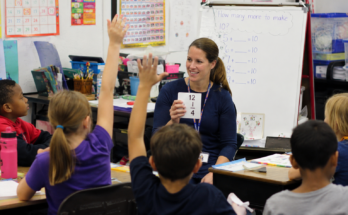
Listening and speaking can be powerful parts of the learning process. Teachers can explain topics clearly and then give students opportunities to ask questions and discuss what they have learned.
Classroom discussions allow students to hear different explanations and opinions. Sometimes a student may understand an idea after hearing a classmate explain it in simple words.
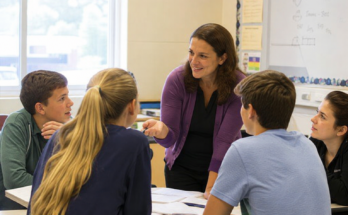
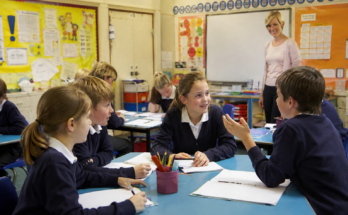
Teachers can organize pair discussions, small group conversations, question and answer sessions, and short presentations. Students can also explain concepts to one another. Teaching another person can help students improve their own understanding.
A supportive classroom environment is important during discussions. Students should feel comfortable asking questions and sharing ideas without being embarrassed when they make mistakes.
Provide Reading and Writing Activities
Reading and writing activities are useful for students who enjoy learning through text. Teachers can provide short articles, textbook sections, worksheets, summaries, and written questions related to the lesson.
Students can also be asked to write their own summaries after learning a topic. Writing a summary encourages students to identify the most important information and explain it in their own words.
Teachers can use learning journals where students write what they learned, what they found difficult, and what questions they still have. These activities can improve both understanding and communication skills.
Writing should not always mean long assignments. Short answers, lists of key points, reflection questions, and simple summaries can also support learning.
Add Hands On Learning Activities
Many students learn effectively when they can do something with the information they are studying. Hands on learning can turn a simple lesson into an experience.
For example, science students can perform experiments. Mathematics students can use objects to understand measurements or shapes. Geography students can work with maps. Language students can practice conversations through role play.
Projects are another useful method. Students can create models, posters, presentations, experiments, or practical demonstrations. These activities give students opportunities to apply knowledge instead of only memorizing information.
Hands on activities can also make lessons more enjoyable and help students connect classroom knowledge with real life situations.
Use Group Work
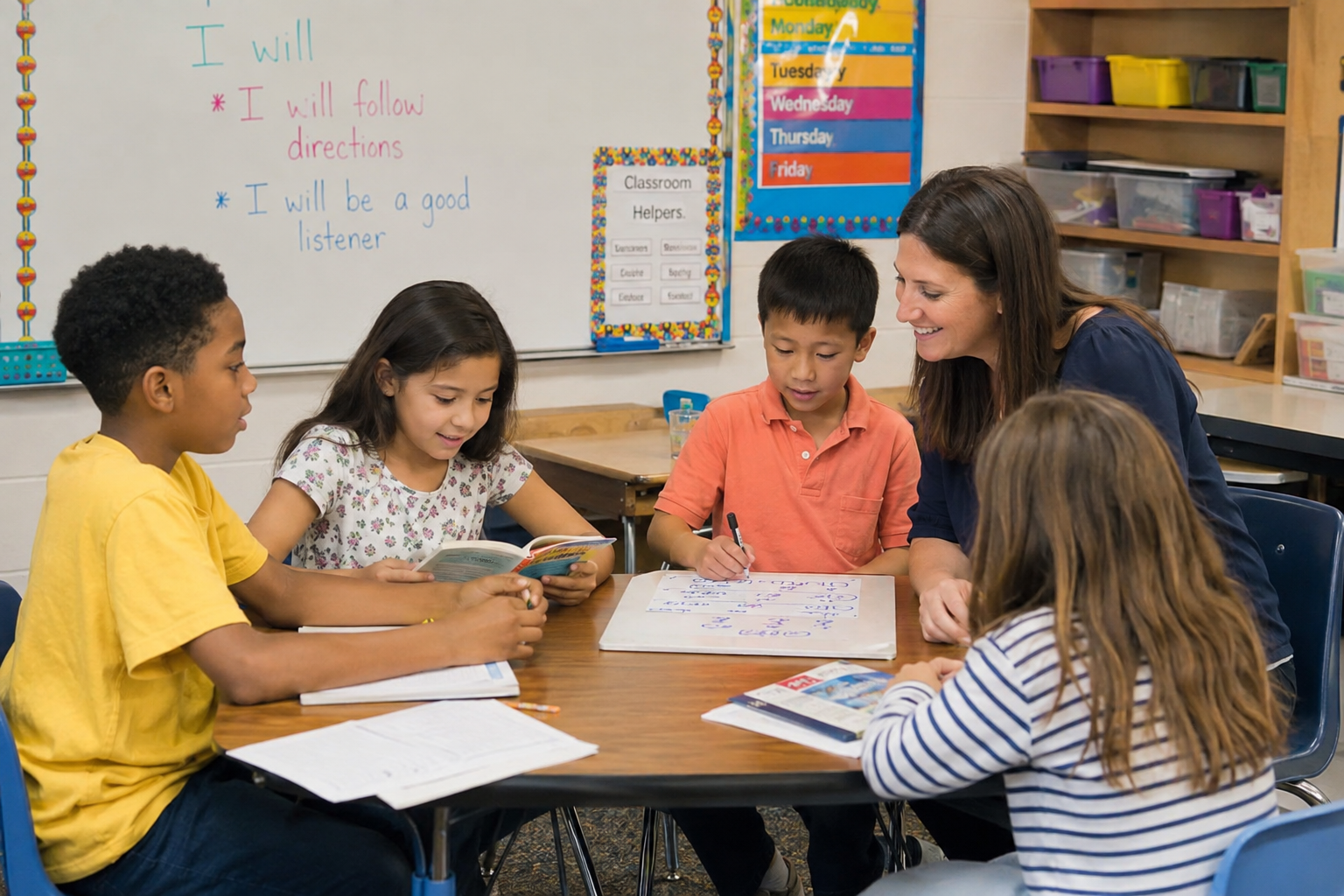
Group work can support different learning preferences because it combines communication, cooperation, reading, writing, and practical activities.
Teachers can divide students into small groups and give each group a clear task. One student might research information, another might write notes, another might create a presentation, and another might explain the final result.
Group activities also help students develop communication, teamwork, leadership, and problem solving skills. However, teachers should make sure that every student has a chance to participate.
Group work should have clear instructions and realistic goals. Without proper guidance, some students may do most of the work while others remain passive.
Give Students Choices
Giving students choices can help them take more responsibility for their learning. Teachers can sometimes allow students to choose how they want to complete an assignment.
For example, students might choose between writing a short report, creating a poster, preparing a presentation, or making a simple project. The learning objective remains the same, but students have different ways to demonstrate what they know.
Student choice can increase motivation because learners feel that they have some control over their work. It can also help teachers discover the strengths of individual students.
Combine Different Teaching Methods
One of the best ways to support different learning styles is to combine several teaching methods in one lesson.
A teacher might begin with a short explanation, show a diagram, play a short educational video, organize a class discussion, and finish with a practical activity. Students then have several opportunities to interact with the same information.
This approach also keeps lessons interesting. When classroom activities change throughout the lesson, students are less likely to become bored or lose concentration.
Teachers do not need expensive technology or complicated resources. A combination of simple explanations, board work, questions, examples, discussions, and activities can be very effective.
Pay Attention to Individual Student Needs
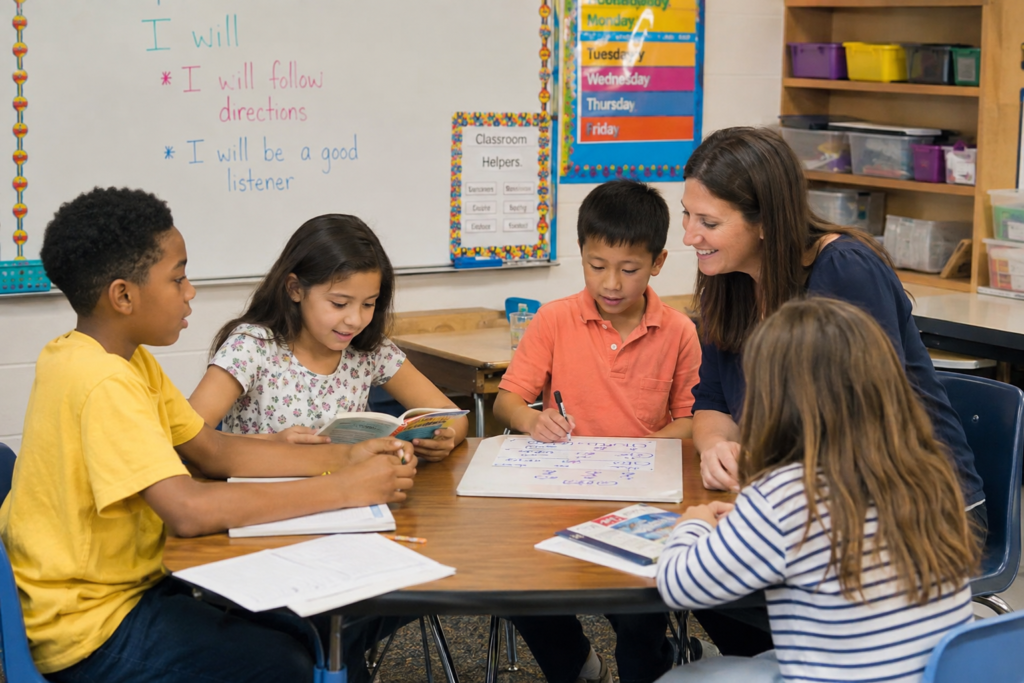
Every classroom contains students with different abilities, interests, confidence levels, and learning needs. Teachers should observe how students respond to different activities.
If a student struggles with a written explanation, the teacher can provide an example or visual aid. If another student understands the concept but struggles to explain it in writing, the teacher can provide opportunities for oral explanation.
Regular observation helps teachers understand what is working and what needs to change. Teachers can also ask students which activities help them understand lessons better.
Student feedback can provide useful information that may not be obvious from test results alone.
Use Technology Wisely
Technology can provide additional ways for students to learn. Educational videos, interactive exercises, digital presentations, online quizzes, simulations, and learning platforms can make lessons more flexible.
For example, students can watch a short video before discussing a topic. Interactive quizzes can provide immediate feedback. Digital diagrams can help students explore complicated concepts.
However, technology should support teaching rather than replace good teaching. Teachers should select digital tools because they improve understanding, not simply because they are new or interesting.
Create a Supportive Classroom Environment
Students learn better when they feel respected and supported. Teachers should create a classroom where questions are welcomed and mistakes are treated as part of learning.
Positive feedback can encourage students to keep trying when a topic is difficult. Teachers can praise effort, improvement, creativity, and problem solving instead of focusing only on high grades.
A supportive environment is especially important for students who need more time to understand new concepts. Giving students enough time to think and respond can make them feel more confident.
Assess Students in Different Ways
Traditional tests are useful, but they should not always be the only way to measure learning. Teachers can use quizzes, projects, presentations, classroom activities, written assignments, practical tasks, and discussions.
Different assessment methods allow students to demonstrate their knowledge in different ways. A student who finds written tests difficult may show excellent understanding during a practical activity or presentation.
Teachers should still make sure that assessments are connected to clear learning objectives. The purpose is to measure understanding while giving students reasonable opportunities to demonstrate what they know.
Conclusion
Supporting different learning styles is an important part of effective teaching. Students do not all learn in exactly the same way, so teachers should use a variety of methods to make lessons accessible and engaging.
Visual materials, classroom discussions, reading and writing activities, hands on learning, group work, technology, student choices, and different assessment methods can all support diverse learners. Teachers do not need to create separate lessons for every student. Instead, they can design flexible lessons that offer several ways to understand and practice the same information.
When teachers recognize individual differences and create a supportive classroom environment, students can become more confident and active in their education. The main goal of supporting different learning styles is to help every student find meaningful ways to understand knowledge, participate in class, and make steady progress.
Good teaching is not about using one perfect method. It is about being flexible, observing students, trying different approaches, and choosing strategies that help learners succeed.