Learning becomes more effective when students are not only listening to the teacher but also taking part in the lesson. Simple classroom activities can make lessons more interesting, improve student participation, and help learners understand difficult ideas more easily. Teachers do not always need expensive technology or complicated teaching methods to improve learning. Sometimes, a short discussion, a group task, a question and answer session, or a quick classroom game can make a big difference.
Simple classroom activities that improve learning can be used with students of different ages and learning levels. These activities encourage students to think, communicate, solve problems, and work with others. They can also help teachers understand whether students are following the lesson or need additional support.
Why Classroom Activities Are Important
Traditional teaching methods often involve students sitting quietly while the teacher explains a topic. Although explanations are important, students usually learn better when they become active participants in the learning process. Classroom activities give students opportunities to use the information they have learned instead of simply hearing it.
Active participation can improve memory and understanding. When students answer questions, explain ideas, solve problems, or discuss a topic with classmates, they process information in a deeper way. This can help them remember important concepts for a longer time.
Classroom activities can also make students feel more confident. A student who is afraid of making mistakes may become more comfortable when activities create a friendly and supportive learning environment.
1. Question and Answer Sessions
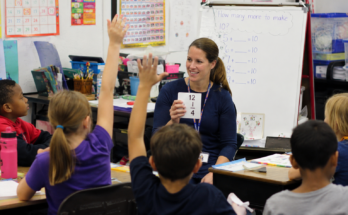
A simple question and answer session is one of the easiest classroom activities for improving learning. After explaining a topic, the teacher can ask students several questions related to the lesson.
Questions can be simple at first and then become more challenging. Teachers can ask students to explain a concept in their own words, give an example, or share their opinion.
This activity helps teachers check student understanding. It also encourages students to pay attention because they know they may be asked to participate.
Teachers should create a positive environment where students do not feel embarrassed when they give an incorrect answer. Mistakes can become useful learning opportunities.
2. Think Pair Share
Think Pair Share is another simple classroom activity that can improve student learning. First, the teacher asks a question or gives students a problem. Students take a short time to think about their answer individually.
After that, students work with a partner and discuss their ideas. Finally, some students share their answers with the whole class.
This activity is useful because it gives every student a chance to think before speaking. Quiet students may also feel more comfortable discussing their ideas with one partner before talking in front of the entire class.
Think Pair Share can be used in subjects such as English, science, mathematics, social studies, and many other areas.
3. Group Discussions
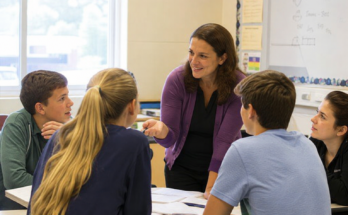
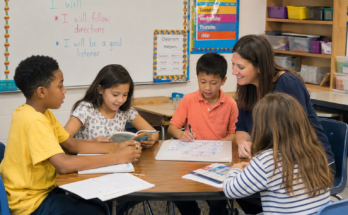
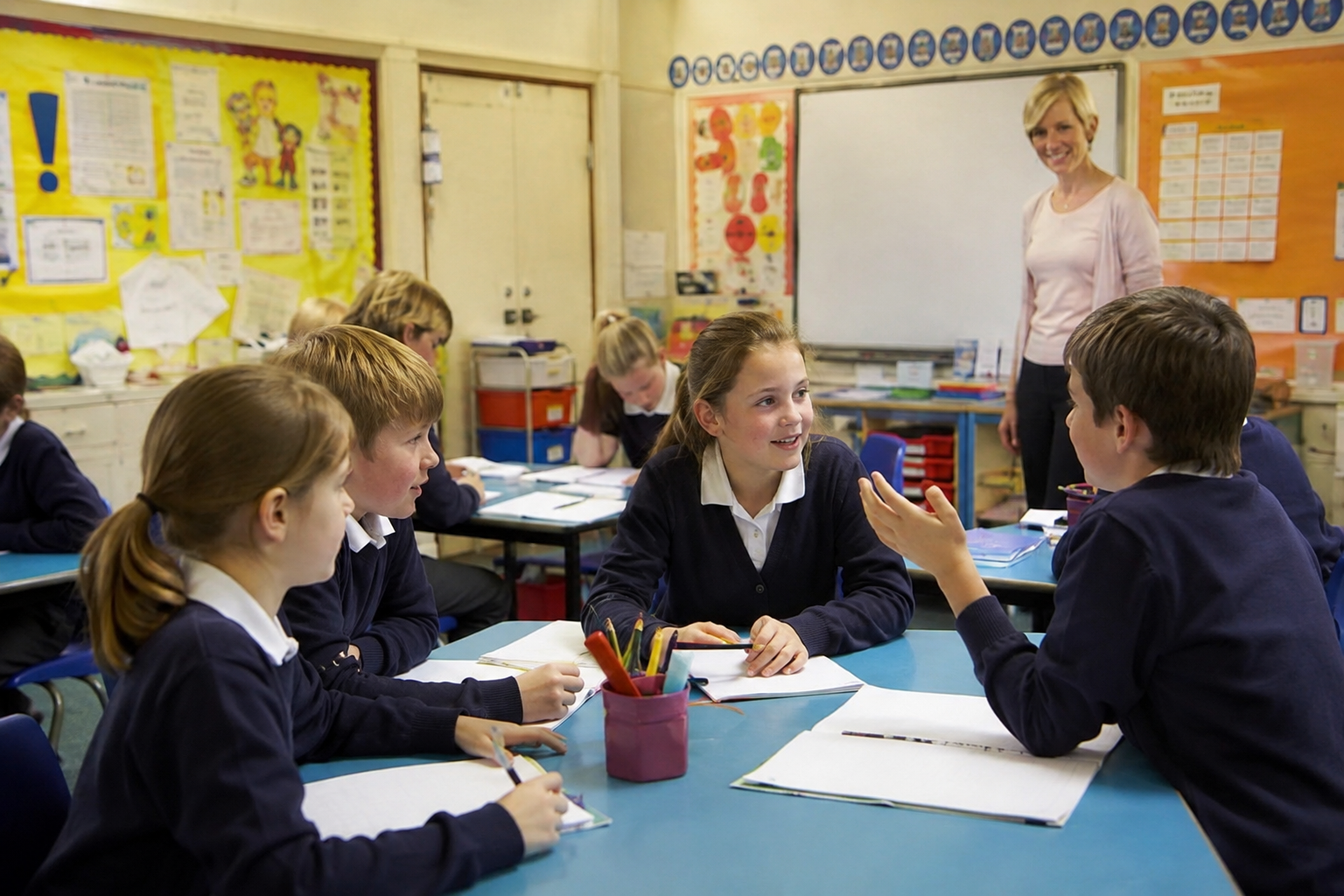
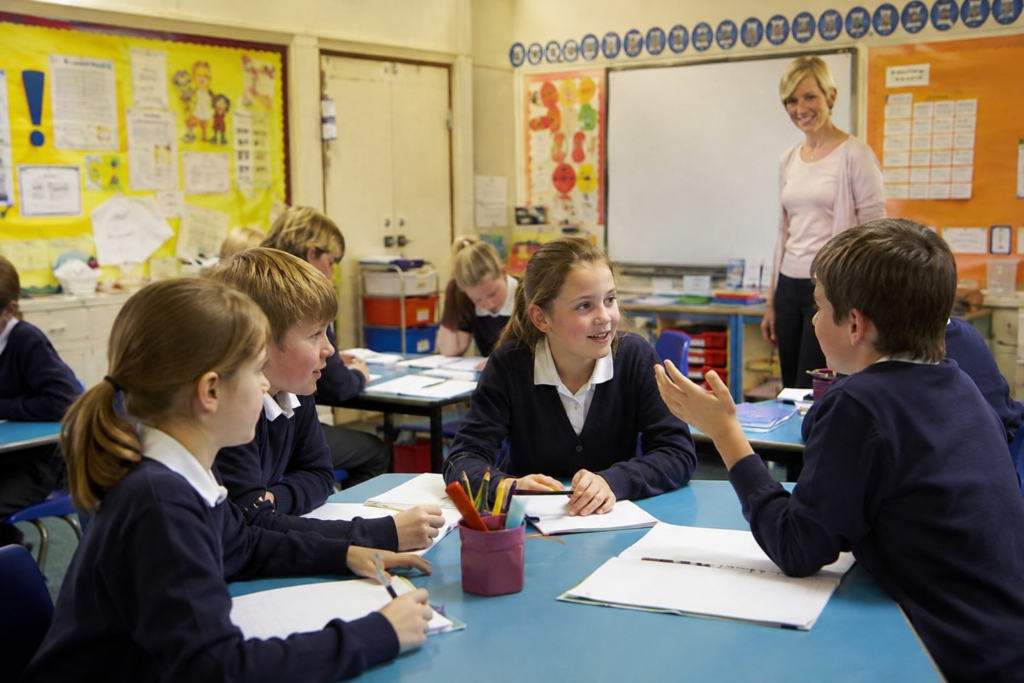
Group discussions encourage students to communicate and learn from each other. The teacher can divide the class into small groups and give each group a topic or question.
Students discuss the topic together and then present their main ideas to the class. Each student can have a small responsibility, such as leading the discussion, writing important points, or presenting the final answer.
Group discussions improve communication skills and teamwork. They also teach students how to listen to different opinions and express their own thoughts respectfully.
4. Short Classroom Games
Learning games can make lessons more enjoyable without reducing their educational value. Teachers can create simple games based on vocabulary, mathematics problems, general knowledge, spelling, science facts, or other subjects.
For example, a teacher can divide students into teams and ask questions related to the lesson. Teams can earn points for correct answers.
The purpose of classroom games should not only be competition. Teachers should make sure that students are learning while having fun. A short educational game can also refresh students when they begin to lose concentration.
5. Brainstorming Activities
Brainstorming is a useful activity for developing creativity and critical thinking. The teacher gives students a topic and asks them to share as many ideas as possible.
For example, in a science lesson, the teacher may ask students how people can save water. Students can suggest different ideas, and the teacher can write their responses on the board.
At the beginning of brainstorming, students should be encouraged to share ideas without worrying too much about whether every idea is perfect. Later, the class can discuss which ideas are practical and why.
6. Student Presentations
Short student presentations can improve confidence, communication, and understanding. Teachers can give students a simple topic and ask them to prepare a short explanation.
Presentations do not always need to be long. Even a two or three minute presentation can provide valuable practice.
When students teach a concept to their classmates, they often develop a deeper understanding of the topic. They also learn how to organize information and communicate clearly.
Teachers can provide simple guidance about how to prepare a presentation so students know what is expected from them.
7. Role Playing
Role playing allows students to learn through practical situations. The teacher can create a situation related to the lesson and assign different roles to students.
For example, students learning English can act out a conversation between a customer and a shopkeeper. In a social studies lesson, students can take different roles related to a historical event.
Role playing can make learning more memorable because students become directly involved in the activity. It can also improve speaking skills and confidence.
8. Quick Writing Activities
Quick writing is a simple way to encourage students to organize their thoughts. The teacher can give students a question and ask them to write an answer for a few minutes.
For example, after a science lesson, students can write three things they learned about plants. In an English class, they can write a short paragraph about a topic they studied.
Quick writing helps teachers see what students understand. It can also help students identify areas where they need more practice.
9. Peer Teaching
Peer teaching allows students to explain concepts to each other. The teacher can pair students or create small groups and ask one student to explain a topic to another student.
Explaining something to another person can strengthen understanding. Students may also use simple language that their classmates find easier to understand.
Teachers should still guide the activity and correct important misunderstandings. Peer teaching works best when students are given clear instructions.
10. Exit Tickets
An exit ticket is a very short activity that students complete before leaving the classroom. The teacher can ask students to answer one or two questions about the lesson.
For example, students can write the most important thing they learned and one question they still have.
Exit tickets give teachers useful information about student learning. If many students have difficulty with the same concept, the teacher can review it in the next lesson.
How Teachers Can Use These Activities Effectively
Teachers do not need to use every activity in every lesson. Choosing the right activity for the topic and student level is more important than using many activities.
Activities should have a clear learning purpose. Before using an activity, teachers should ask themselves what students are expected to learn from it.
Time management is also important. A simple activity should not take so much time that the main lesson is ignored. Teachers can begin with short activities and gradually introduce longer tasks when students become comfortable.
It is also important to include different types of activities. Some students learn well through discussion, while others may prefer writing, practical tasks, or visual learning. A variety of classroom activities can help meet different learning needs.
Teachers should also observe student participation. If only a few students are answering questions, the teacher can use pair work or small groups to give more students a chance to participate.
Benefits of Simple Classroom Activities
Simple classroom activities can provide many benefits for students. They can improve student engagement, memory, communication, teamwork, creativity, and problem solving skills.
These activities can also make classrooms more positive. When students are given opportunities to participate, they may feel that their ideas are valued.
Another important benefit is immediate feedback. Teachers can quickly see whether students understand a topic. This makes it easier to change the teaching approach when necessary.
Classroom activities can also reduce boredom. Lessons that include small changes in activity can help students stay focused for longer periods.
Conclusion
Simple classroom activities that improve learning do not require complicated preparation. Question and answer sessions, group discussions, Think Pair Share, educational games, brainstorming, student presentations, role playing, quick writing, peer teaching, and exit tickets can all make learning more active and meaningful.
The most effective classroom activities are those that have a clear purpose and encourage students to participate. Teachers can start with one or two simple activities and observe how students respond.
When students are given opportunities to think, speak, write, collaborate, and solve problems, they become active learners instead of passive listeners. With regular use of simple classroom activities, teachers can create a classroom environment where students feel involved, confident, and motivated to learn.