Learning becomes more effective when students feel interested, comfortable, and involved in the classroom. A teacher can have excellent knowledge of a subject, but students may lose attention if every lesson follows the same routine. Modern students want to participate, ask questions, share ideas, and learn through activities that connect with their daily lives. This is why making learning more interesting is an important part of good teaching.
Teachers do not always need expensive technology or complicated activities to make lessons enjoyable. Simple changes in teaching methods can create a more active and positive classroom environment. By using stories, games, group activities, real life examples, technology, and creative questions, teachers can help students enjoy learning while also improving their understanding.
Understand Students and Their Interests
One of the best ways teachers can make learning more interesting is by understanding their students. Every student has different interests, abilities, and learning preferences. Some students enjoy reading, while others prefer practical activities. Some like working in groups, while others feel more comfortable completing individual tasks.
Teachers can learn about students by asking questions, observing classroom behavior, and giving students opportunities to share their interests. When lessons include topics that students already care about, they are more likely to pay attention and participate.
For example, a teacher teaching mathematics can use examples related to shopping, sports, money, or games. A science teacher can connect lessons with animals, space, weather, or everyday technology. These connections make difficult subjects easier to understand and more enjoyable.
Use Real Life Examples
Students often ask why they need to learn a particular topic. Teachers can answer this question by showing how classroom knowledge is connected to real life. Real life examples make learning meaningful because students can see the practical value of what they are studying.
A mathematics lesson can include household budgeting or calculating discounts. A science lesson can explain how electricity is used at home. An English lesson can involve writing emails, preparing a speech, or creating a simple story. History can be connected to current society and everyday experiences.
When students understand how knowledge can help them outside the classroom, they become more interested in learning.
Add Games to Classroom Learning
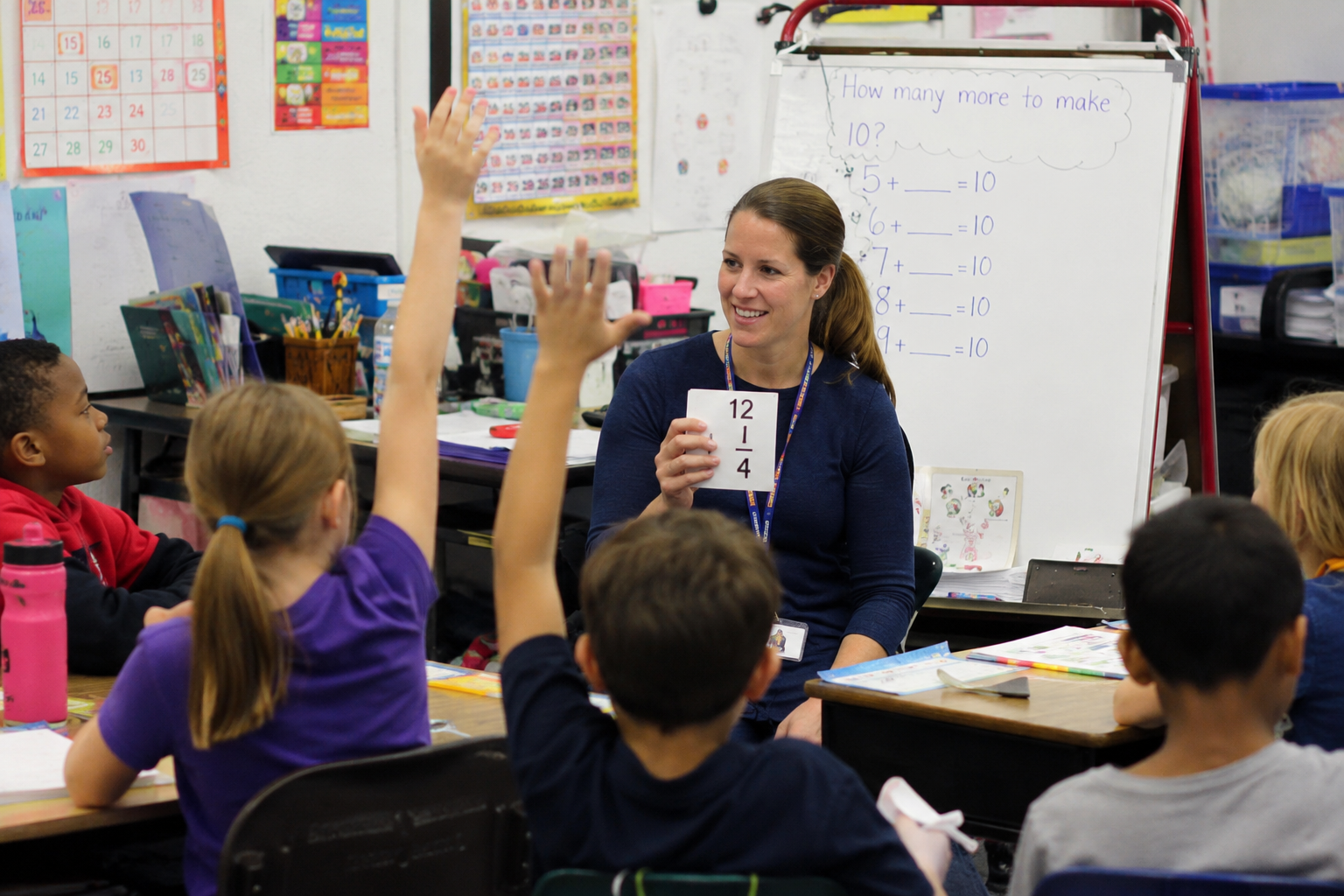
Educational games are another effective way to make learning more interesting. Games can turn a normal lesson into an active experience where students learn while having fun.
Teachers can use quizzes, puzzles, word games, memory activities, competitions, and question and answer challenges. These activities can be adapted to almost any subject.
For example, an English teacher can organize a vocabulary competition. A mathematics teacher can give students a problem solving challenge. A science teacher can create a quiz about the human body or natural world.
Games also create friendly competition and encourage students to participate. However, teachers should make sure that games focus on learning rather than only winning.
Encourage Classroom Discussion
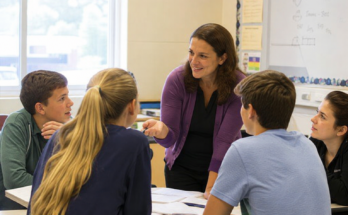
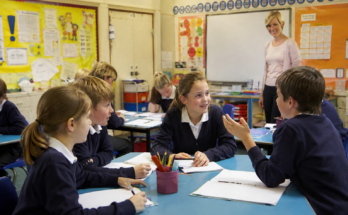
A classroom should not be a place where only the teacher talks. Students should have opportunities to express their thoughts and ask questions. Classroom discussions can make learning more interesting because students become active participants.
Teachers can ask open ended questions that require students to explain their opinions. Instead of asking questions that only have one short answer, teachers can ask students why they think something happened or how they would solve a problem.
Discussions also help students develop communication and critical thinking skills. When students listen to different opinions, they learn that a topic can sometimes be understood from several points of view.
Tell Stories During Lessons
Stories are a powerful teaching tool because people naturally remember information connected to interesting events and experiences. Teachers can use storytelling to introduce new topics or explain difficult ideas.
A history teacher can tell the story of an important historical person. A science teacher can explain a scientific discovery through the story of the person who made it. An English teacher can use short stories to teach vocabulary, grammar, and writing skills.
Stories make lessons more emotional and memorable. They also help students imagine situations instead of simply memorizing information.
Use Visual Learning Materials
Many students understand information more easily when they can see it. Teachers can make learning more interesting by using pictures, diagrams, charts, maps, videos, and presentations.
Visual materials can simplify complex information and help students remember important points. For example, a biology teacher can use diagrams to explain the human body. A geography teacher can use maps to explain different regions of the world.
Teachers should not use visuals only for decoration. Every image, chart, or video should have a clear connection with the lesson.
Include Group Activities
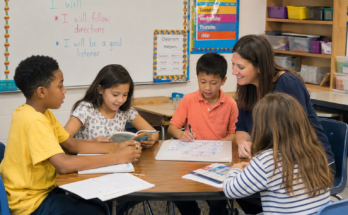
Group activities encourage students to work together and learn from one another. Instead of completing every task individually, teachers can divide students into small groups and give each group a problem or project to solve.
Students can prepare presentations, create posters, discuss questions, conduct research, or solve classroom challenges. Group learning can also help shy students become more comfortable sharing their ideas.
Teachers should give every student a clear role so that one or two students do not complete all the work. Roles can include researcher, writer, presenter, organizer, or timekeeper.
Use Technology Wisely
Technology can make classroom learning more engaging when it is used with a clear purpose. Teachers can use educational videos, interactive quizzes, digital presentations, online research activities, and learning applications.
Technology can also help students explore subjects beyond the textbook. For example, students can watch a virtual tour of a museum, explore a map of another country, or use an interactive science activity.
However, technology should support teaching rather than replace the teacher. A simple classroom activity can sometimes be more effective than a complicated digital tool.
Give Students Choices
Students become more interested when they have some control over their learning. Teachers can give students choices about how they complete an assignment.
For example, students may be allowed to write an essay, prepare a presentation, create a poster, or record a short educational video. The learning goal can remain the same while students choose the method that suits them.
Giving students choices can increase motivation and help them develop responsibility for their own education.
Make Lessons Interactive
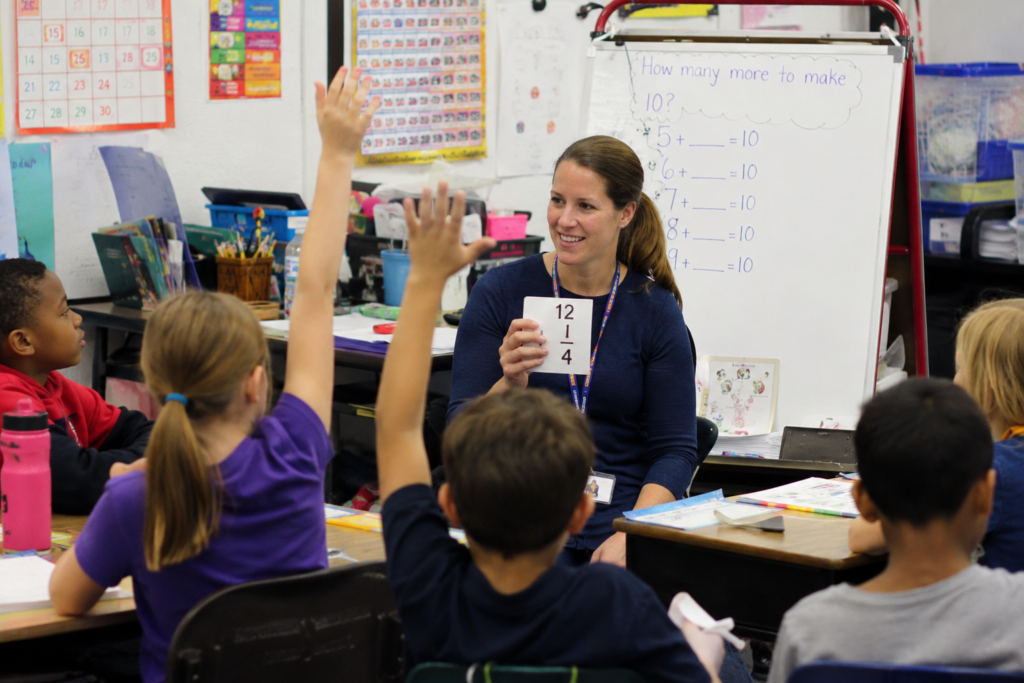
Interactive lessons keep students mentally and physically involved. Teachers can ask students to solve problems, move around the classroom, demonstrate ideas, create something, or participate in short activities.
Even a few minutes of interaction can help students regain attention during a long lesson. Teachers can divide a lesson into smaller sections instead of speaking continuously for an extended period.
For example, a teacher can explain a concept for ten minutes, ask students a few questions, organize a short activity, and then return to the main topic. This creates variety and reduces boredom.
Use Humor and a Positive Classroom Environment
A positive classroom environment can make a major difference in student motivation. Teachers who are friendly, supportive, and approachable can help students feel comfortable participating.
Appropriate humor can also make lessons enjoyable. A funny example or light classroom moment can help students relax and remember information. However, teachers should avoid humor that embarrasses or insults students.
Students should feel that making a mistake is part of learning. When students are afraid of giving wrong answers, they may stop participating. Teachers can encourage students by treating mistakes as opportunities to improve.
Connect Lessons With Creativity
Creativity can turn ordinary learning into an exciting experience. Teachers can ask students to draw, write, design, build, perform, or create something related to the lesson.
For example, students studying environmental science can design a poster about protecting nature. Students learning English can write a short story. Students studying history can create a timeline or act out a historical situation.
Creative tasks give students the opportunity to use knowledge instead of simply memorizing it.
Provide Positive Feedback
Students need to know when they are making progress. Positive feedback can increase confidence and encourage students to continue learning.
Teachers should recognize effort as well as correct answers. Instead of only saying that an answer is right or wrong, teachers can explain what the student did well and what could be improved.
Specific feedback is more useful than general praise. Saying that a student explained an idea clearly or used strong examples helps the student understand their strengths.
Conclusion
Making learning more interesting does not require teachers to completely change the classroom. Small changes can create a big difference in student engagement. Understanding student interests, using real life examples, adding educational games, encouraging discussions, telling stories, using visual materials, organizing group activities, and using technology wisely can make lessons more enjoyable.
Teachers should remember that interesting learning is not only about entertainment. The main purpose is to help students understand, remember, and apply knowledge. When students are actively involved in the learning process, they are more likely to develop curiosity and confidence.
A good teacher creates a classroom where students feel comfortable asking questions, sharing ideas, making mistakes, and trying new things. By making learning meaningful, creative, interactive, and connected to real life, teachers can help students enjoy education and build skills that remain useful throughout their lives.