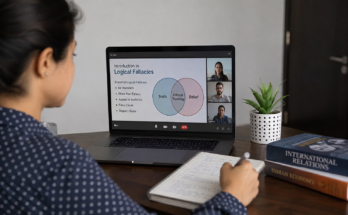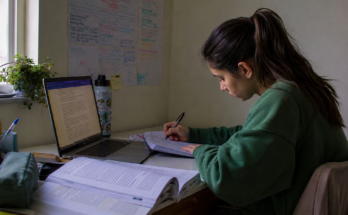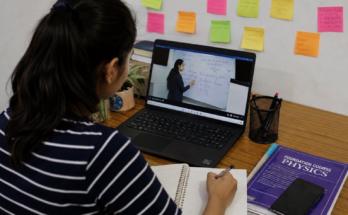

Online education has changed the way students study, communicate with teachers, and gain knowledge. In the past, students usually had to attend a physical classroom at a fixed time to continue their education. Today, students can learn from home, libraries, offices, or almost any place with an internet connection. This change has made education more flexible and accessible for millions of learners around the world.
The growth of online education has also changed traditional learning habits. Students are no longer completely dependent on textbooks, classroom lectures, or fixed school schedules. They can use online courses, educational videos, digital books, learning platforms, and interactive activities to understand different subjects. As technology continues to improve, online education is becoming an important part of modern education.
Flexible Learning Opportunities
One of the biggest advantages of online education is flexibility. Traditional education often requires students to follow a specific timetable. Online learning gives students more control over when and where they study. A student can watch a recorded lecture in the morning, afternoon, or evening depending on personal responsibilities and daily routines.
This flexibility is especially helpful for students who have jobs, family responsibilities, or other commitments. They can continue their education without completely changing their lifestyle. Students can also spend more time on difficult topics and move quickly through subjects they already understand.
Flexible learning can make education more comfortable because students can create a study environment that works best for them. Some students learn better in the morning, while others prefer studying at night. Online education gives them the opportunity to choose a schedule that matches their learning style.
Easy Access to Educational Resources
Online education has made educational resources easier to access. Students can search for information within seconds and find thousands of useful learning materials. Digital libraries, educational websites, online courses, video lessons, and electronic books can provide additional information beyond what students receive in a traditional classroom.
This access to information can help students develop a deeper understanding of their subjects. If a student does not understand a lesson from one source, they can search for another explanation. Different teachers and educational platforms may explain the same topic in different ways, making it easier for learners to find an explanation they understand.
Online resources also allow students to learn about subjects that may not be available at their local schools or colleges. A student living in a small town can study courses offered by institutions located in other cities or countries.
Personalized Learning Experience
Another important way online education is changing student learning is through personalization. Every student has a different learning speed, interest, and level of understanding. Traditional classrooms often require teachers to teach many students at the same pace. Online learning can give students more control over their individual progress.
Students can pause videos, repeat lessons, take practice tests, and review difficult topics whenever necessary. Some online learning platforms also use technology to recommend lessons based on student performance. This can help learners focus on areas where they need improvement.
Personalized education can increase confidence because students do not always have to compare their progress with classmates. They can concentrate on their own goals and gradually improve their knowledge and skills.
Interactive Learning Methods
Online education is not limited to reading digital textbooks. Modern online learning platforms often include interactive activities such as quizzes, assignments, presentations, discussion forums, educational games, and virtual classrooms.
These activities can make learning more interesting and engaging. Instead of simply listening to a lecture, students can participate in discussions and complete practical exercises. Interactive learning can also help students remember information because they actively participate in the learning process.
Educational videos and animations can be particularly useful for explaining complex topics. For example, science students can watch animations of biological processes, while technology students can follow practical demonstrations. These visual learning methods can make difficult concepts easier to understand.
Better Communication Between Students and Teachers
Online education has also created new ways for students to communicate with teachers. Students can ask questions through email, online discussion boards, video meetings, and messaging systems. This means communication does not always have to happen inside a classroom.
Virtual classrooms allow teachers to conduct live lessons where students can ask questions and participate in discussions. Recorded lessons also allow students to review lectures later if they missed something important.
Online communication can also encourage students who are uncomfortable speaking in traditional classrooms to participate through written discussions. This can create more opportunities for students to share ideas and ask questions.

Development of Digital Skills
As students use online education platforms, they naturally develop important digital skills. They learn how to search for reliable information, use online tools, communicate digitally, organize files, create presentations, and complete assignments using technology.
These skills are valuable because modern workplaces depend heavily on digital technology. Employers often expect workers to understand online communication tools, digital documents, video meetings, and other technology based systems.
Online education therefore provides benefits beyond academic knowledge. It can prepare students for a digital working environment and help them become more comfortable with modern technology.
Learning at a Lower Cost
Online education can also reduce some of the costs associated with traditional education. Students may not need to travel to a campus every day, which can reduce transportation expenses. Digital learning materials can also be less expensive than printed books in some cases.
Many educational platforms offer free courses, tutorials, and learning resources. Students can use these resources to improve their knowledge without paying large amounts of money.
However, online education is not always completely free. Students may need a computer, smartphone, reliable internet connection, and paid courses depending on their educational goals. Even so, online learning can provide affordable opportunities for many learners.
Global Learning Opportunities
One of the most exciting benefits of online education is the ability to connect students with teachers and institutions from different parts of the world. A learner can take a course created by an instructor in another country without traveling there.
This global access can introduce students to different ideas, cultures, teaching methods, and professional experiences. Students can also interact with classmates from different backgrounds. Such experiences can improve communication skills and help learners understand different perspectives.
Global education can be especially useful for students who want to learn specialized subjects that may not be available in their local institutions.
Challenges of Online Education
Although online education offers many benefits, it also has challenges. One common problem is the need for self discipline. In a traditional classroom, teachers and classmates are physically present, which can encourage students to stay focused. Online learners may have more distractions at home.
Internet access is another important challenge. Students who live in areas with slow or unreliable internet may find it difficult to attend live classes or download learning materials. Some students may also lack suitable computers or other digital devices.
Another challenge is social interaction. Traditional classrooms provide face to face communication that can help students build friendships and teamwork skills. Online education needs effective discussion groups, video meetings, and collaborative activities to provide similar opportunities.
The Future of Online Education
The future of online education looks promising as technology continues to develop. Artificial intelligence, virtual reality, interactive platforms, and smart learning systems may create even more personalized educational experiences.
Students may be able to use advanced digital tools to practice skills in realistic virtual environments. Teachers may also use technology to understand student performance and provide more targeted support.
However, technology will not completely replace teachers. Teachers play an important role in explaining difficult ideas, motivating students, answering questions, and providing human guidance. The most effective education will likely combine technology with strong teacher support.
Conclusion
Online education is changing the way students learn by providing flexibility, accessibility, personalized learning, interactive resources, and global educational opportunities. Students can study at their own pace, access information from many sources, communicate with teachers online, and develop valuable digital skills.
At the same time, learners need self discipline, reliable internet access, and effective time management to succeed in online education. When these challenges are managed properly, online learning can become a powerful way to improve education.
The growth of online education shows that learning is no longer limited to a classroom or a fixed schedule. Students can continue learning throughout their lives and explore knowledge from almost anywhere. As technology develops, online education will continue to influence modern learning and create new opportunities for students around the world.