Choosing the right profession is one of the most important decisions in a student’s life. A career can influence a person’s lifestyle, financial situation, personal growth, and future opportunities. However, many students find it difficult to decide which profession is suitable for them. They may feel confused because they do not have enough information about different careers or they may choose a profession simply because their friends or family members recommend it. This is where career education becomes very important.
Career education helps students understand their interests, abilities, strengths, and goals. It also provides useful information about different professions and the skills required to succeed in them. With proper career education, students can make informed decisions instead of choosing a profession without understanding what it involves.
Understanding Personal Interests
One of the first ways career education helps students is by allowing them to understand their personal interests. Every student has different likes and dislikes. Some students enjoy science and technology, while others may prefer business, education, art, communication, healthcare, or creative work.
Career education encourages students to think about the subjects and activities they enjoy. When students understand their interests, they can connect those interests with possible career options. For example, a student who enjoys helping people and learning about human behavior may consider careers in psychology, counseling, teaching, or social services.
Understanding personal interests is important because students are more likely to enjoy their work when their profession matches what they naturally like to do.
Identifying Strengths and Abilities
Career education also helps students recognize their strengths and abilities. A student may be good at mathematics, communication, problem solving, writing, leadership, technology, or working with others. These abilities can provide valuable clues about suitable career choices.
For example, a student with strong communication skills may perform well in journalism, teaching, marketing, public relations, or business. Someone who enjoys solving technical problems may be interested in engineering, computer science, or information technology.
When students know their strengths, they can choose professions where their abilities can be used effectively. This can increase their confidence and improve their chances of professional success.
Providing Information About Different Careers
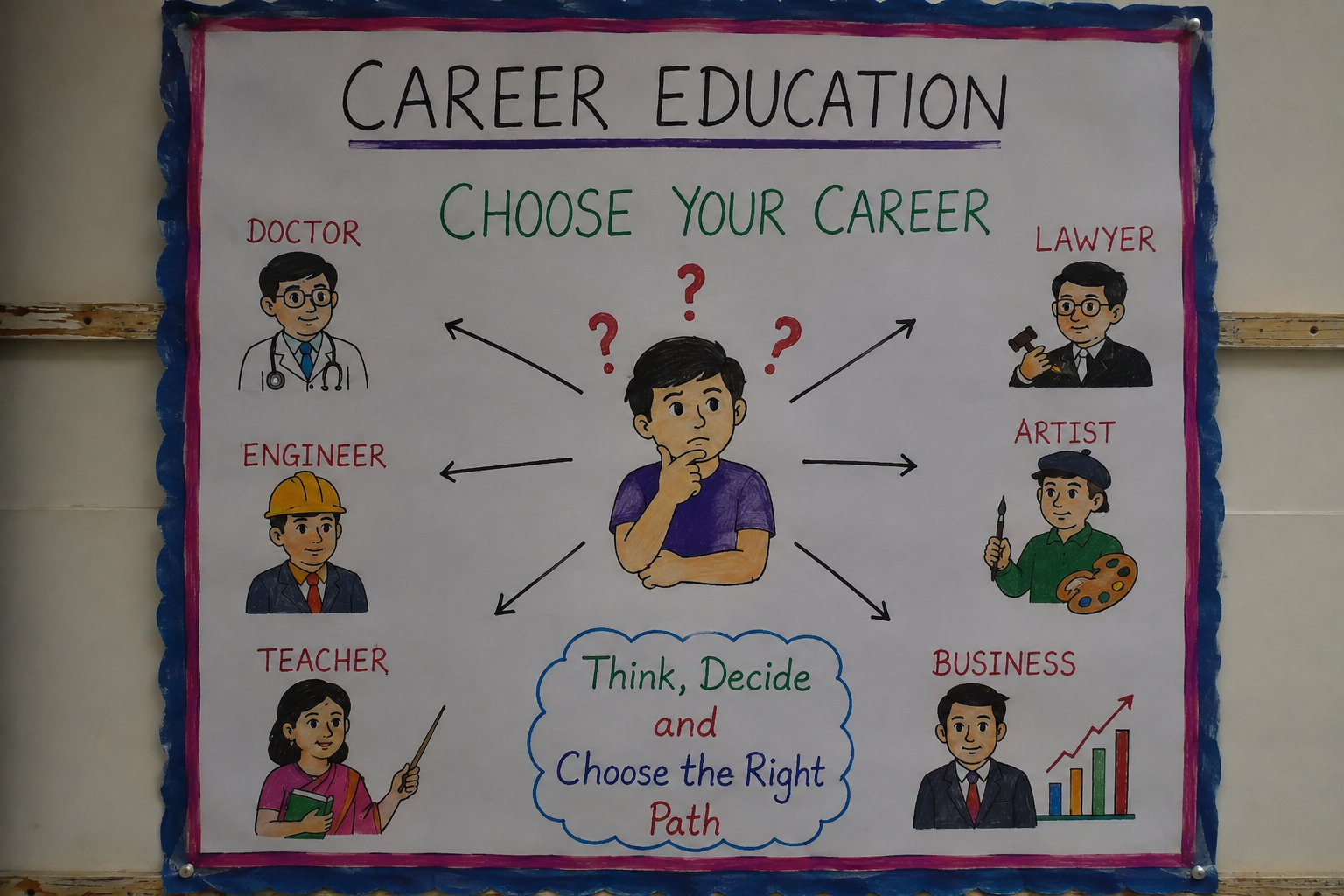
Many students know only a few common professions. They may think about becoming a doctor, teacher, engineer, lawyer, or businessperson because these careers are frequently discussed at home or in society. However, the modern job market offers many other career opportunities.
Career education introduces students to a wider range of professions. Students can learn about careers in digital marketing, software development, cybersecurity, graphic design, data analysis, environmental science, healthcare technology, content creation, finance, and many other fields.
Learning about different professions helps students discover opportunities they may never have considered before. It also allows them to compare careers based on their interests, skills, education requirements, and future opportunities.
Helping Students Set Career Goals
Career education helps students create clear career goals. Without goals, students may complete their education without knowing what they want to achieve in the future.
A career goal gives students direction. Once students identify a possible profession, they can learn what qualifications and skills are required for that field. They can then select suitable subjects, courses, training programs, and educational institutions.
For example, if a student wants to become a software developer, they can focus on computer science, programming, mathematics, and problem solving. Having a clear goal can make education more meaningful because students understand how their current studies can help them achieve their future plans.
Developing Better Decision Making Skills
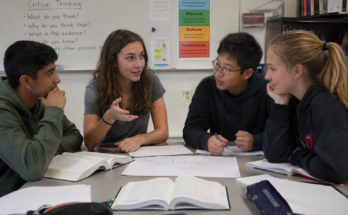
Choosing a profession requires careful decision making. Students need to consider many factors before making a final choice. Career education teaches them how to collect information, compare options, understand advantages and disadvantages, and make responsible decisions.
Students can learn to ask important questions. What subjects do I enjoy? What are my strongest skills? What type of work environment do I prefer? What education is required? What opportunities are available in this profession? Does this career match my long term goals?
These questions help students think carefully instead of making decisions based only on emotions or pressure from others.
Reducing the Influence of Peer Pressure
Students can sometimes choose careers because their friends want to follow the same path. Peer pressure can make students believe that a particular profession is better simply because it is popular among their classmates.
Career education teaches students that career decisions should be based on individual interests, abilities, goals, and circumstances. A career that is perfect for one student may not be suitable for another.
When students receive proper career guidance, they become more confident in making independent decisions. They learn that success is possible in many different professions and that they should choose a career that matches their own abilities.
Helping Students Understand Educational Requirements
Different professions require different levels and types of education. Some careers require university degrees, while others may require technical training, professional certificates, apprenticeships, or practical experience.
Career education helps students understand these requirements before they make important academic decisions. This can prevent students from choosing subjects or courses that do not support their desired career path.
For example, a student interested in medicine needs to understand the subjects, qualifications, entrance requirements, and professional training associated with medical education. Similarly, a student interested in graphic design may need to develop creative skills and learn professional design software.
Understanding educational requirements allows students to prepare for their chosen profession from an early stage.
Introducing Students to Real Work Environments
Career education becomes more useful when students get opportunities to learn about real workplaces. School visits, career fairs, internships, workshops, guest lectures, and conversations with professionals can give students a better understanding of different careers.
Reading about a profession is useful, but experiencing or observing real work can provide a much clearer picture. Students can learn about daily responsibilities, workplace challenges, required skills, and opportunities for growth.
These experiences can also help students discover whether their expectations about a profession are realistic.
Building Important Professional Skills
Career education is not only about choosing a profession. It also helps students develop skills that are valuable in almost every workplace.
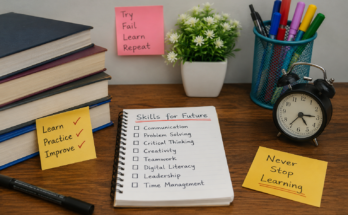
Communication, teamwork, problem solving, time management, creativity, leadership, adaptability, and digital skills are important for modern careers. Students who develop these abilities become better prepared for professional life.
Career education can encourage students to participate in projects, presentations, group activities, career workshops, and practical learning experiences. These activities help students become more confident and capable.
Making Students Aware of Future Career Trends
The job market continues to change because of technology, globalization, and new business models. Some professions are growing rapidly, while other jobs are changing because of automation and digital technology.
Career education helps students understand these changes. They can learn which skills are becoming more valuable and which industries may offer new opportunities.
This knowledge allows students to prepare for the future instead of choosing a profession based only on current conditions. Students can also understand the importance of continuous learning and professional development.
Helping Students Avoid Career Mistakes
Choosing a profession without proper information can lead to disappointment. A student may select a career because of its salary, social status, or family expectations without considering whether the work matches their personality and interests.
Career education helps reduce this risk by providing accurate information and encouraging self assessment. Students can explore different possibilities before making a major commitment.
Making an informed career choice does not guarantee that everything will always go perfectly, but it can significantly improve the chances of finding satisfying and suitable work.
The Role of Parents and Teachers
Parents and teachers also have an important role in career education. They can encourage students to explore different possibilities without forcing them toward a particular profession.
Teachers can introduce students to career information through classroom activities, discussions, projects, and guidance sessions. Parents can listen to their children’s interests and support them as they explore different options.
The best approach is to provide guidance while allowing students to participate actively in their own career decisions.
Conclusion
Career education plays an important role in helping students choose the right profession. It helps them understand their interests, identify their strengths, explore different careers, set realistic goals, and make informed decisions. It also introduces students to educational requirements, workplace realities, professional skills, and future career trends.
Choosing a profession is a major decision, but students do not have to make that decision without guidance. With effective career education, they can explore their options and develop a clearer understanding of their future.
The right profession is not simply the career that provides a good salary or has a high social status. It is a profession that matches a person’s interests, abilities, values, goals, and personality. By giving students the knowledge and confidence they need, career education can help them build a more successful and satisfying professional future.