Critical thinking is one of the most important skills students need in modern education. In today’s world, students have access to a huge amount of information through the internet, social media, digital platforms, books, and other sources. However, having access to information is not enough. Students also need to understand information, question it, compare different ideas, and make sensible decisions. This is where critical thinking becomes important.
Modern education is not only about remembering facts and passing exams. It is about helping students become independent learners who can understand problems and find useful solutions. Critical thinking allows students to look at a situation carefully instead of accepting everything without questioning it. It helps them develop better judgment, stronger reasoning skills, and greater confidence in their decisions.
What Is Critical Thinking?
Critical thinking is the ability to examine information carefully and make a reasonable judgment based on evidence and logic. A student who uses critical thinking does not simply accept an idea because someone else has said it. Instead, the student asks questions such as why something is true, what evidence supports it, and whether there are other possible explanations.
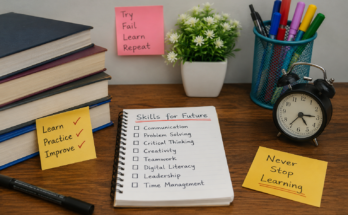
Critical thinking includes skills such as analysis, reasoning, problem solving, decision making, observation, questioning, and evaluation. These skills are useful in classrooms as well as in everyday life.
For example, when students read information online, they should not immediately believe everything they see. They should consider who created the information, whether the source is reliable, and whether other sources support the same claim. This simple habit can help students become more responsible users of information.
Why Critical Thinking Is Important in Modern Education
The importance of critical thinking in modern education has increased because the world is changing quickly. Students are exposed to more information than ever before. They may see different opinions about education, science, health, technology, politics, business, and many other subjects.
Without critical thinking, students may find it difficult to separate useful information from misleading information. Critical thinking teaches them to slow down, examine evidence, and form their own opinions.
Education should prepare students not only for academic success but also for real life. People make decisions every day about their education, careers, money, relationships, and responsibilities. Strong critical thinking skills can help them make better choices.
Critical Thinking Improves Problem Solving
Problem solving is an important part of education and professional life. Students face different types of problems in mathematics, science, writing, projects, and group activities. Critical thinking helps them understand the problem before trying to solve it.
Instead of choosing the first answer that comes to mind, students can consider different solutions and compare their advantages and disadvantages. This process encourages students to become patient and thoughtful problem solvers.
For example, if students are asked to find a solution to pollution in their community, they can investigate the causes of pollution, collect information, discuss possible solutions, and decide which solution may have the greatest impact. This type of learning is more meaningful than simply memorizing information from a textbook.
Critical Thinking Encourages Independent Learning
Independent learning is another major benefit of critical thinking. Students who learn to think critically become less dependent on teachers for every answer. They learn how to search for information, ask useful questions, and evaluate their own understanding.
A teacher can provide guidance, but students should also develop the confidence to explore ideas independently. When students are encouraged to ask questions, they become more active participants in the learning process.
This can make education more interesting because students are not simply listening and copying notes. They are thinking, discussing, investigating, and discovering information for themselves.
Critical Thinking Helps Students Make Better Decisions
Decision making is an important skill that students will need throughout their lives. From choosing a field of study to selecting a career, people regularly face important choices.
Critical thinking helps students consider the possible results of their decisions. They can collect relevant information, compare different options, and think about both short term and long term consequences.
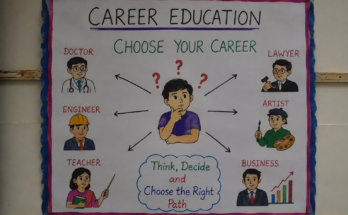
For example, a student choosing a career can research different professions, compare required qualifications, consider personal interests, and understand future opportunities. This approach can lead to a more informed decision.
The Role of Teachers in Developing Critical Thinking
Teachers play an important role in developing critical thinking skills among students. Instead of giving students every answer, teachers can encourage them to discover answers through discussion and investigation.
Teachers can ask open ended questions that require students to explain their ideas. Questions such as why, how, what evidence supports your answer, and what could happen if the situation changed can encourage deeper thinking.
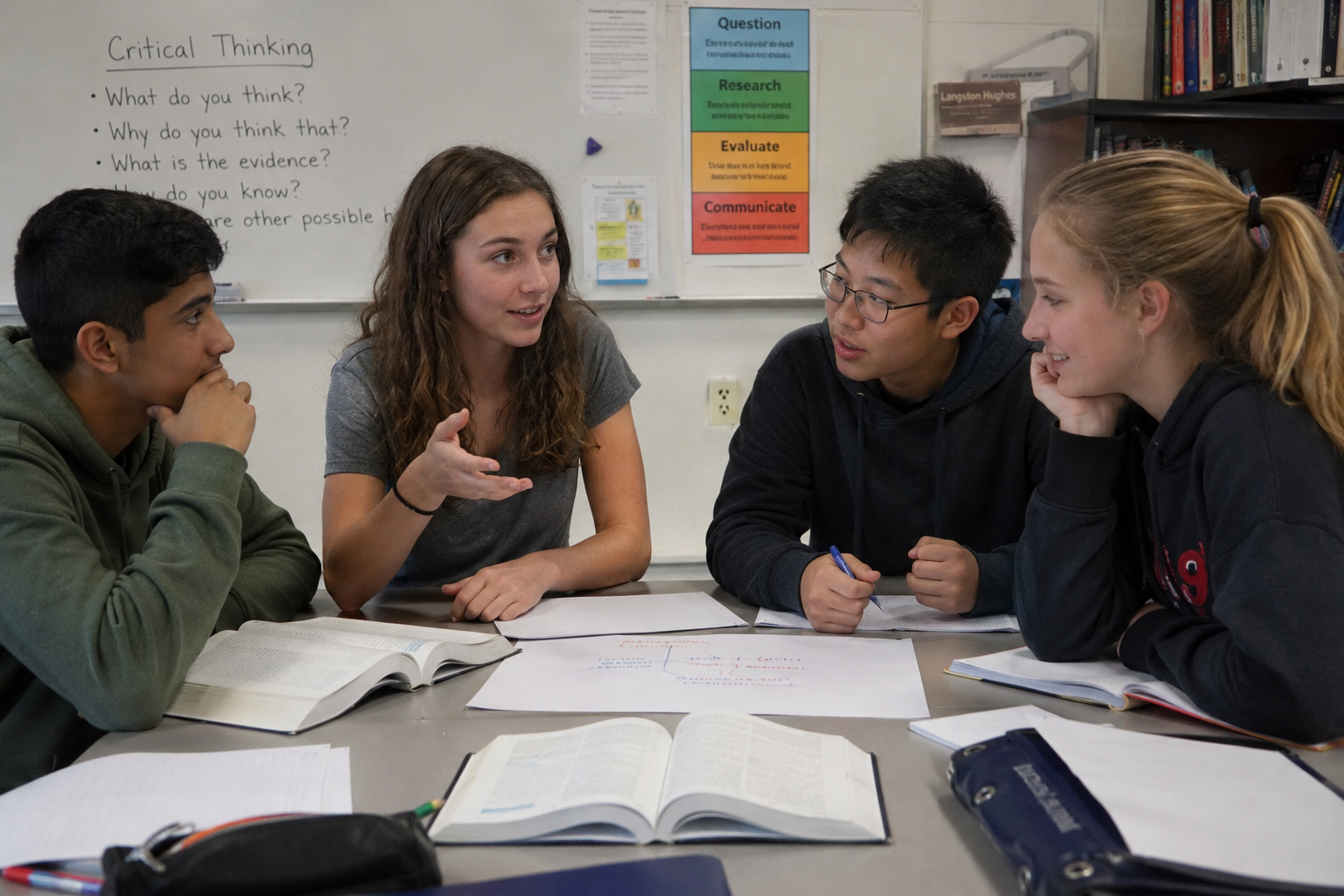
Classroom discussions can also help students understand different viewpoints. When students listen to their classmates, they learn that one problem may have several possible solutions.
Teachers can also use debates, group projects, case studies, research activities, and problem solving exercises. These activities give students opportunities to use critical thinking in practical situations.
Technology and Critical Thinking
Technology has changed modern education in many ways. Students can now access online courses, educational videos, digital libraries, research materials, and learning applications. These resources can support learning, but students still need critical thinking skills to use them correctly.
The internet contains both reliable and unreliable information. Students should learn how to evaluate online sources before using them for assignments or making decisions.
Digital literacy and critical thinking should therefore work together. Students need to understand how technology works while also learning how to question the information they receive through digital platforms.
Critical Thinking Prepares Students for the Workplace
Modern workplaces require employees who can think independently and solve problems. Employers often value people who can analyze situations, communicate ideas, make decisions, and find solutions.
Students who develop critical thinking skills during their education may find it easier to adapt to workplace challenges. They can approach problems logically and consider different solutions instead of waiting for someone else to tell them what to do.
Critical thinking can also support teamwork. When students learn how to explain their opinions respectfully and listen to other people, they become better team members. These communication skills are valuable in almost every career.
Critical Thinking Builds Confidence
Some students are afraid of giving answers because they worry about making mistakes. A classroom that encourages critical thinking can help reduce this fear.
When students understand that learning involves questioning, discussion, and exploration, they may become more comfortable sharing their ideas. Even when an answer is not correct, students can learn from the process.
Critical thinking does not mean that students must always have the perfect answer. It means they should be willing to examine ideas and improve their understanding. This can gradually build confidence and encourage students to participate more actively in class.
How Schools Can Promote Critical Thinking
Schools can promote critical thinking by creating learning environments where questions are welcomed. Students should have opportunities to discuss topics, solve real problems, conduct research, and explain their reasoning.
Teachers can include activities that require students to compare information and defend their conclusions. Instead of focusing only on memorization, assessments can also measure understanding, reasoning, creativity, and problem solving.
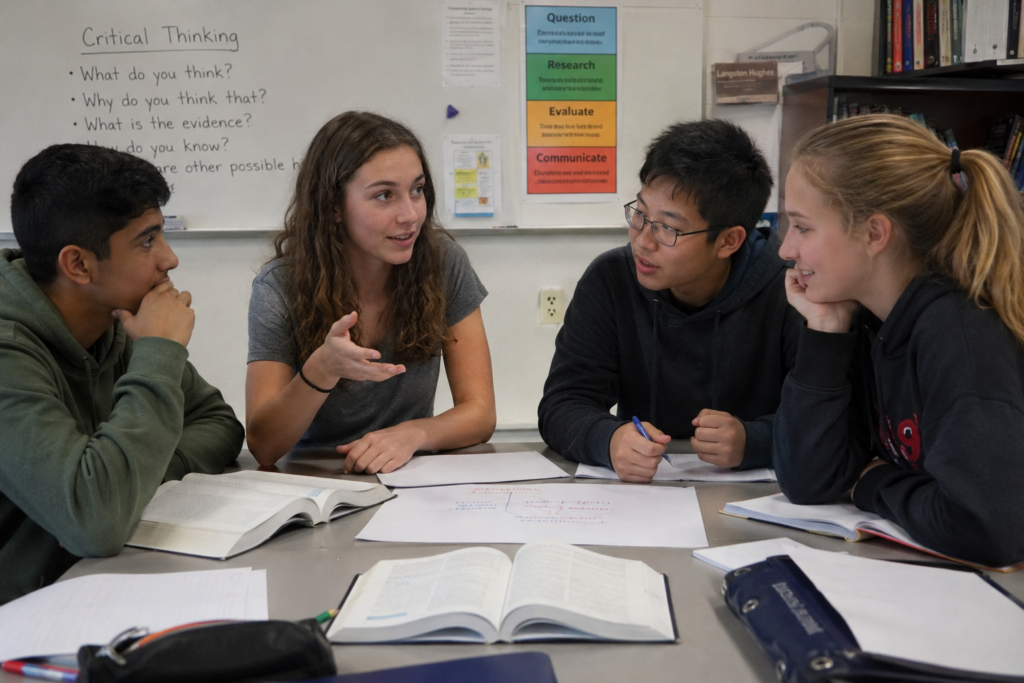
Group activities can be particularly useful because students can share different ideas. When students disagree respectfully, they can learn to consider another person’s perspective and improve their own reasoning.
Critical Thinking and Lifelong Learning
Education does not end when students leave school or university. People continue learning throughout their lives. New technologies, careers, discoveries, and social changes require people to keep developing their knowledge.
Critical thinking supports lifelong learning because it teaches people how to evaluate new information and adjust their understanding when better evidence becomes available.
A student who develops strong critical thinking skills can continue learning independently long after formal education has ended. This makes critical thinking one of the most valuable educational skills for the future.
Conclusion
The importance of critical thinking in modern education cannot be ignored. Students need more than academic knowledge to succeed in a rapidly changing world. They need the ability to question information, analyze problems, evaluate evidence, make decisions, and understand different viewpoints.
Critical thinking improves problem solving, supports independent learning, builds confidence, and prepares students for the workplace. Teachers and schools can develop these skills through discussions, research activities, debates, projects, and real life problem solving.
Modern education should prepare students to think rather than simply remember. When students learn how to think critically, they become more responsible learners and better decision makers. They are also better prepared to face the challenges of higher education, professional life, and everyday society. For this reason, critical thinking should remain an essential part of modern education and student development.