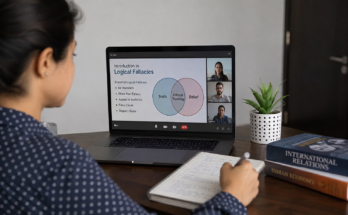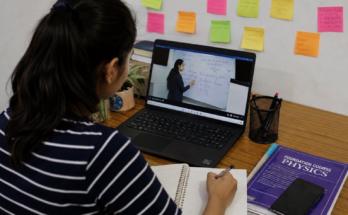
Online learning has become an important part of modern education. Students can attend classes from home, watch recorded lectures, complete assignments online, and communicate with teachers through digital platforms. While online learning offers flexibility and convenience, staying focused during online classes can sometimes be difficult. Home environments often have many distractions, and students may find it hard to maintain the same level of attention they have in a traditional classroom.
Learning how to stay focused during online learning is important for better academic performance and a more enjoyable study experience. With the right habits, a suitable study environment, and proper time management, students can make online education more productive. This article explains the best ways to stay focused during online learning and develop better study habits.
Create a Dedicated Study Space
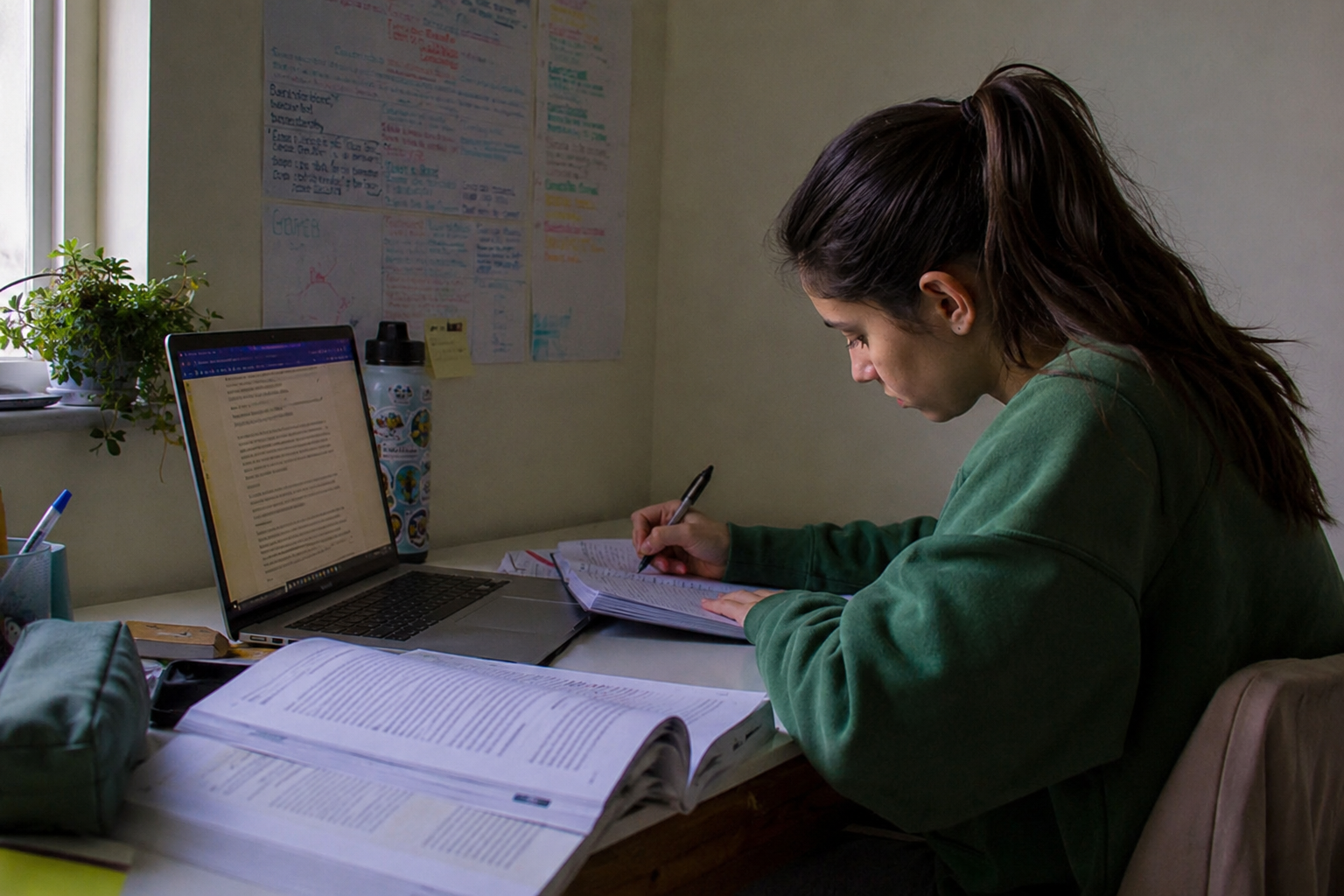
One of the best ways to stay focused during online learning is to create a dedicated study space. Students should choose a quiet and comfortable place where they can attend classes and complete their schoolwork without unnecessary interruptions.
A study area does not need to be large or expensive. A simple desk, comfortable chair, good lighting, and reliable internet connection can be enough. Keeping study materials in one place can also save time and reduce distractions.
Students should try to use the same space regularly for online classes. Over time, the mind can begin to associate that place with studying, which can make it easier to enter a focused learning mode.
Follow a Daily Learning Schedule
Having a daily learning schedule can make online education much easier to manage. Without a proper routine, students may delay their work or spend too much time on entertainment and social media.
A simple schedule can include class times, study periods, homework, breaks, meals, and personal activities. Students should decide what they need to complete each day and give enough time to every task.
Following a regular routine also creates discipline. Even when students do not have a live class, they should set specific times for reading, practicing lessons, and completing assignments.
Remove Digital Distractions
Digital distractions are one of the biggest challenges during online learning. Students may receive messages, social media notifications, emails, and other alerts while attending an online class. Checking these notifications can quickly break concentration.
To stay focused, students should turn off unnecessary notifications during study sessions. Social media applications can also be closed while attending online classes. If possible, students can keep their phones away from the study desk.
Using technology for education is helpful, but students need to control how they use it. The goal should be to make digital devices learning tools instead of sources of distraction.
Set Clear Learning Goals
Setting clear learning goals can improve concentration and motivation. Before starting a study session, students should decide exactly what they want to accomplish.
For example, instead of saying that they will study mathematics, a student can set a goal to complete two chapters or solve twenty practice questions. Specific goals make progress easier to measure.
Small goals can also prevent students from feeling overwhelmed. Completing one task at a time gives students a sense of achievement and encourages them to continue studying.
Take Short and Regular Breaks
Studying continuously for many hours can reduce concentration. The brain needs short breaks to recover and maintain attention. Students should include regular breaks in their online learning schedule.
During a break, students can stand up, walk around, drink water, stretch, or simply rest their eyes. It is better to avoid spending the entire break scrolling through social media because this can make it harder to return to studying.
Short breaks can help students return to their lessons with more energy and attention. A balanced study routine should include both focused learning time and proper rest.
Take Notes During Online Classes
Taking notes is another effective way to stay focused during online learning. Students who actively write down important information are usually more engaged with the lesson than students who only watch the screen.
Notes can include important concepts, examples, definitions, questions, and information that the teacher explains in detail. Students do not need to write every word. Instead, they should focus on the main ideas.
Taking notes also makes revision easier. When exams or assignments are approaching, students can use their notes to review important topics without watching every lecture again.
Participate in Online Classes
Active participation can make online learning more interesting and effective. Students should ask questions, answer when teachers ask something, participate in discussions, and communicate with classmates when appropriate.
Simply watching a lesson without interacting can sometimes make students lose attention. Participation keeps the mind active and encourages students to think about the topic.
If a student does not understand something, asking the teacher for clarification can prevent confusion later. Online education becomes more valuable when students take an active role in the learning process.
Use the Right Learning Techniques
Different learning techniques can help students improve their focus. One useful method is to divide a large subject into smaller sections. Instead of trying to study everything at once, students can focus on one topic before moving to the next.
Another useful technique is active recall. After studying a topic, students can close their books and try to remember the main points. Practice questions and self testing can also improve understanding.
Students can experiment with different study methods and choose the ones that work best for them. The most important thing is to avoid passive learning and become actively involved with the material.
Get Enough Sleep
Sleep has a major effect on concentration, memory, and learning ability. Students who regularly stay awake late at night may find it difficult to focus during online classes the next day.
A consistent sleep routine can help the brain stay alert during study hours. Students should aim to get enough quality sleep and avoid unnecessary late night screen use.
Good sleep does not only improve attention. It also helps the brain process and remember information learned during the day.
Stay Physically Active
Physical activity can also support better concentration during online learning. Sitting in front of a computer for many hours can make students feel tired and uncomfortable.
Simple activities such as walking, stretching, or light exercise can help students feel more refreshed. Students should avoid remaining seated for extremely long periods without movement.
A healthy balance between study and physical activity can improve energy and make long online learning sessions easier to manage.
Avoid Multitasking
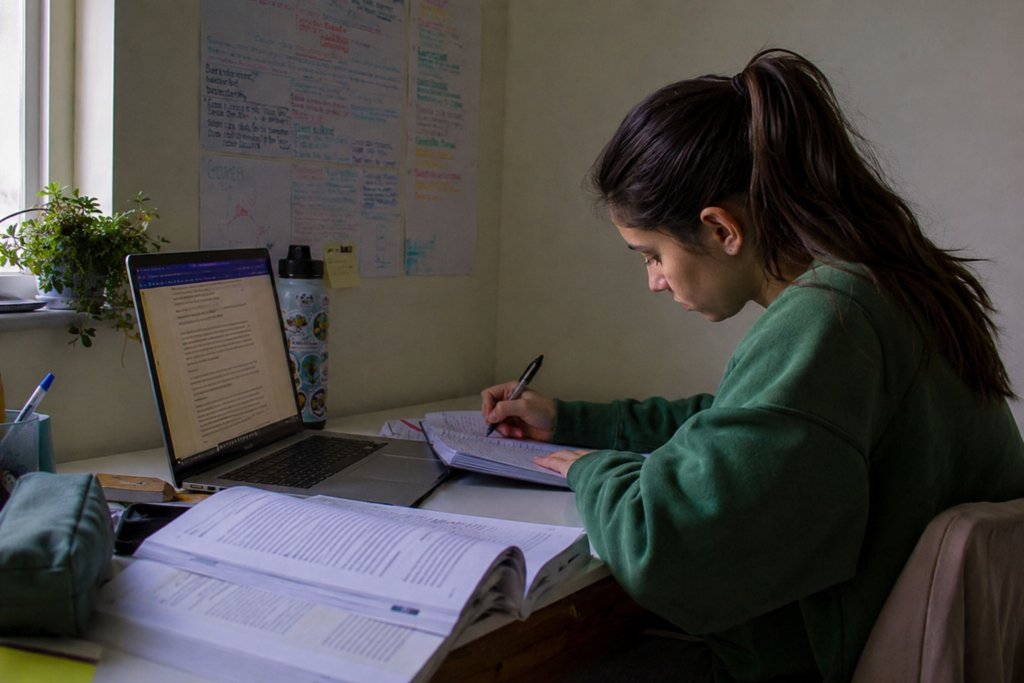
Many students believe they can study while watching videos, chatting with friends, or browsing social media. In reality, multitasking can reduce attention and make learning less effective.
Students should focus on one important task at a time. When attending an online class, the class should receive their full attention. When completing an assignment, entertainment activities should be kept aside.
Single tasking helps students complete their work more efficiently and understand lessons more deeply.
Keep the Study Area Organized
A messy study area can make it harder to concentrate. Books, papers, chargers, food, and unnecessary objects can create visual distractions.
Students should keep their desk clean and organize the materials they need before beginning a study session. Having everything ready can prevent unnecessary movement and interruptions.
A clean study environment can also create a more positive attitude toward learning.
Stay Motivated With Small Rewards
Motivation can sometimes decrease during online education, especially when students have many assignments or difficult subjects. Small rewards can make studying more enjoyable.
For example, after completing an important task, students can take a short break, listen to music, enjoy a snack, or spend some time doing a favorite activity.
Rewards should be used carefully. They should support productivity rather than become another distraction. The main goal is to create a healthy connection between effort and achievement.
Communicate With Teachers and Classmates
Online learning can sometimes feel lonely because students are not physically present with teachers and classmates. Regular communication can make the learning experience more engaging.
Students can communicate with teachers through online platforms, discussion boards, emails, or live sessions. They can also work with classmates on group projects and discuss difficult topics.
Having a connection with other learners can increase motivation and make students feel more responsible for their progress.
Conclusion
Staying focused during online learning requires discipline, organization, and healthy daily habits. Creating a dedicated study space, following a schedule, removing digital distractions, setting clear goals, taking regular breaks, and actively participating in online classes can make a major difference.
Students should also pay attention to sleep, physical activity, and their overall learning environment. Online education provides many opportunities, but students need to use those opportunities wisely.
The best way to improve focus is to start with small changes and build consistent habits. With regular practice, students can become more organized, motivated, and confident in their ability to learn online. By following these simple strategies, online learning can become a productive and rewarding part of modern education.