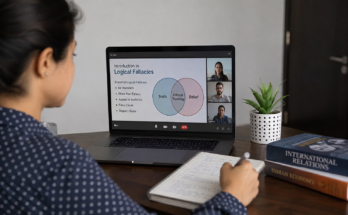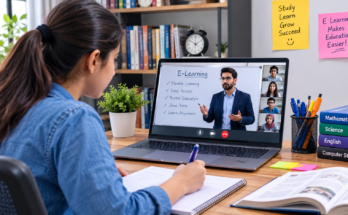
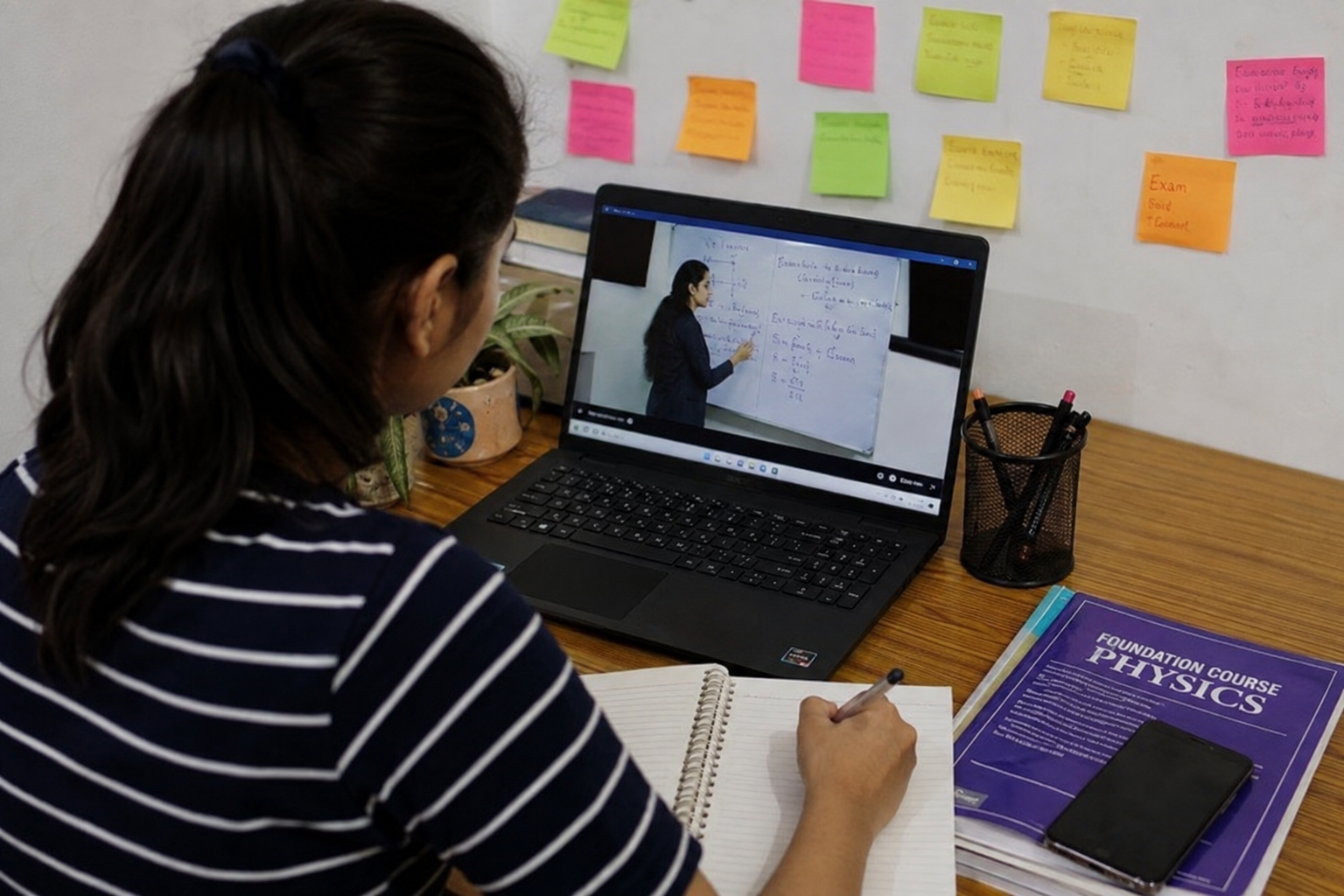
Online classes have changed the way students learn and access education. In the past, students usually had to attend a physical school or college at a fixed time and follow a fixed schedule. Today, online education allows students to learn from almost anywhere with an internet connection. This new approach has made education more flexible, convenient, and accessible for many people. Students can choose when and where they study, manage their learning according to their personal needs, and continue their education even when attending a traditional classroom is difficult.
Flexible Learning Schedule
One of the biggest benefits of online classes is the flexible learning schedule. Traditional education usually requires students to attend classes at specific times. If a student misses a class because of work, family responsibilities, travel, or another reason, it can be difficult to catch up. Online classes provide more freedom because many lessons are available through recorded lectures, videos, presentations, and digital learning materials.
Students can study early in the morning, during the afternoon, or late at night depending on their daily routine. This flexibility is especially useful for students who have part time jobs or other responsibilities. They do not always have to change their entire lifestyle to fit an education schedule. Instead, they can organize their study time around their personal needs.
Learn From Any Location
Online education removes many geographical barriers. Students do not always need to travel to a school, college, or university to attend a lesson. They can study from home, a library, a workplace, or another suitable location. This is particularly helpful for students who live far away from educational institutions.
For students in rural areas, online classes can provide access to courses that may not be available locally. A student can join an online course offered by an institution in another city or even another country. This creates more opportunities for learning and allows students to explore subjects that may not be offered in their local area.
Better Time Management
Online classes also help students develop better time management skills. Since students often have more control over their study schedule, they need to decide when they will watch lessons, complete assignments, review notes, and prepare for tests.
This responsibility can teach students how to organize their daily activities. For example, a student can create a study timetable based on personal commitments. They can spend more time on difficult subjects and less time on topics they already understand. Good time management can help students become more independent and responsible learners.
Education for Working Students
Online learning is especially useful for people who work while studying. A traditional class schedule can be difficult for someone who works during the day. Online classes can make it possible for working students to continue their education without leaving their jobs.
A working student may attend an online lecture after work or study recorded lessons during the weekend. This flexibility allows people to improve their qualifications while continuing their professional responsibilities. As a result, online education can support career development and lifelong learning.
Learning at Your Own Pace
Every student learns differently. Some students understand a topic quickly, while others need more time and practice. In a traditional classroom, teachers usually have to follow a common pace for the entire class. This can make learning difficult for students who need additional time.
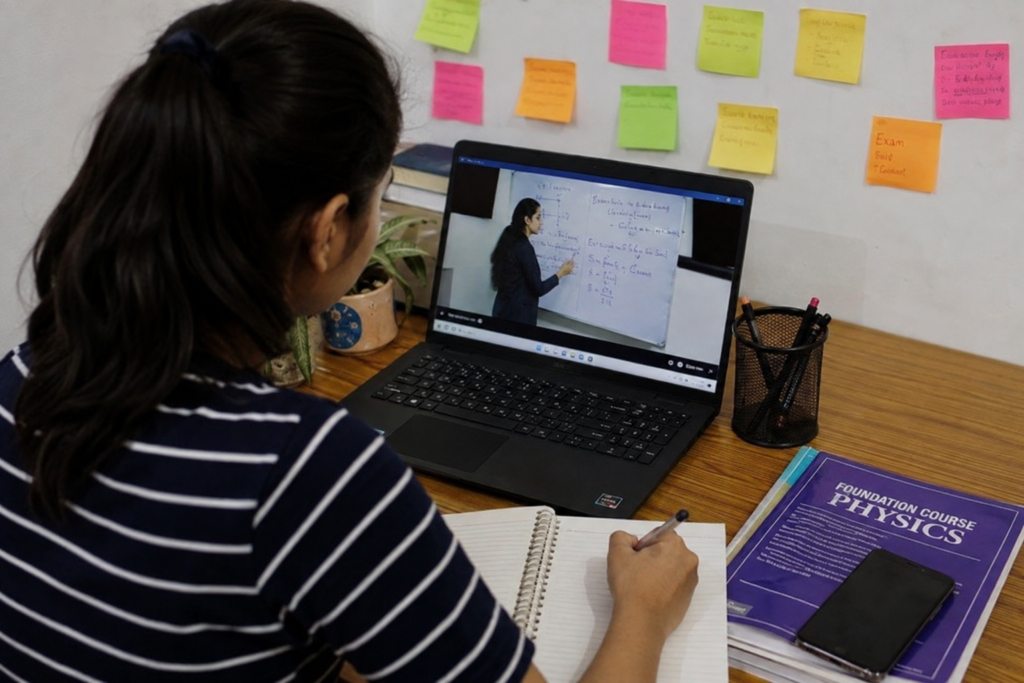
Online classes can give students more control over their learning speed. Students can pause a video, replay a difficult explanation, review previous lessons, and take additional time to understand a topic. This can make the learning process more comfortable and effective.
Students who understand a lesson quickly can also move forward without waiting for the entire class. This creates a more personalized learning experience.
Easy Access to Learning Materials
Another important advantage of online education is easy access to digital learning materials. Students can often find lecture videos, notes, presentations, articles, assignments, quizzes, and other resources in one online platform.
Instead of carrying several books and notebooks, students can access many educational resources through a computer, tablet, or smartphone. They can review these materials whenever they need them. This makes studying more convenient and helps students revise lessons before examinations.
Digital resources can also be updated more easily than traditional printed materials. Teachers can add new information, examples, videos, or activities when necessary.
More Choice of Courses
Online education provides students with a wider range of courses. In a traditional educational institution, students may have limited choices because of location, available teachers, classroom space, or institutional programs.
Online learning platforms can offer courses in technology, business, languages, science, arts, communication, marketing, and many other subjects. Students can select courses based on their interests and career goals.
This wider choice makes education more flexible because students are not limited to the subjects available at nearby institutions. They can explore new areas and develop useful skills for their future.
Comfortable Learning Environment
Students have different preferences when it comes to learning environments. Some prefer quiet spaces, while others may feel more comfortable studying at home. Online classes allow students to choose an environment that helps them concentrate.
A comfortable learning environment can reduce some of the stress associated with traveling to school or college every day. Students can prepare their study space according to their needs and use headphones, digital notes, or other tools that help them focus.
However, students still need discipline. Studying at home can include distractions, so creating a regular study routine is important for successful online learning.
Helpful for Students With Different Needs
Online classes can also provide flexibility for students who face challenges with traditional education. Some students may have transportation difficulties, family responsibilities, or other personal circumstances that make regular classroom attendance difficult.
Online learning allows these students to continue their education from a suitable location. Flexible schedules and recorded lessons can make education more accessible.
This does not mean that online education is perfect for everyone. Students need reliable internet access, suitable devices, and the ability to study independently. Still, online education can provide valuable alternatives for many learners.
More Opportunities for Teachers
The flexibility of online education is not limited to students. Teachers can also benefit from online teaching. Educators can teach students from different locations without needing to travel between classrooms.
Online teaching tools allow teachers to prepare digital lessons, share resources, conduct quizzes, communicate with students, and provide feedback through online platforms. Teachers can also record lessons so students can review them later.
This can help educators manage their teaching responsibilities more efficiently and reach a larger group of learners.
Reduced Travel Time and Costs
Traveling to school or college can take a significant amount of time. Students may spend hours traveling every week, especially when they live far from their educational institution. Online classes can reduce this travel requirement.
Students can attend lessons from home and use the time saved from traveling for studying, working, resting, or spending time with family. Online education can also reduce some expenses related to transportation, meals outside the home, and daily commuting.
Although online learning may require internet service and a suitable device, the overall flexibility can still make education more convenient for many students.
Flexible Communication Between Students and Teachers
Online learning platforms provide several ways for students and teachers to communicate. Students can ask questions through messages, discussion forums, emails, or live sessions. Teachers can share announcements and provide feedback without waiting for the next physical class.
This communication can be useful for students who feel nervous about asking questions in front of a classroom. They may feel more comfortable writing their questions and discussing them online.
Challenges of Online Learning
Although online classes provide many benefits, they also have some challenges. Students need self discipline because there may not be a teacher physically present to remind them to study. Poor internet connections can also interrupt lessons.
Some students may find it difficult to stay focused at home. Others may miss face to face interaction with classmates and teachers. Practical subjects may also require physical equipment or hands on activities that are harder to provide online.
For these reasons, students should create a proper study routine, maintain communication with teachers, and use reliable technology whenever possible.
Conclusion
Online classes have made education more flexible by giving students greater control over their time, location, learning speed, and course choices. Students can study from different places, access learning materials at any time, and continue education while managing work or family responsibilities. Teachers can also benefit from flexible teaching methods and digital communication tools.
The success of online education depends on good time management, self discipline, reliable technology, and active participation. When these factors are managed properly, online classes can provide a convenient and effective learning experience.
As technology continues to develop, online education is likely to become an even more important part of modern learning. Its flexibility allows education to fit into different lifestyles instead of requiring every student to follow the same schedule. For many learners, this freedom can make education more accessible, practical, and suitable for their personal and professional goals.